
05 July 2024
Beat the Heat: Keeping cool this summer
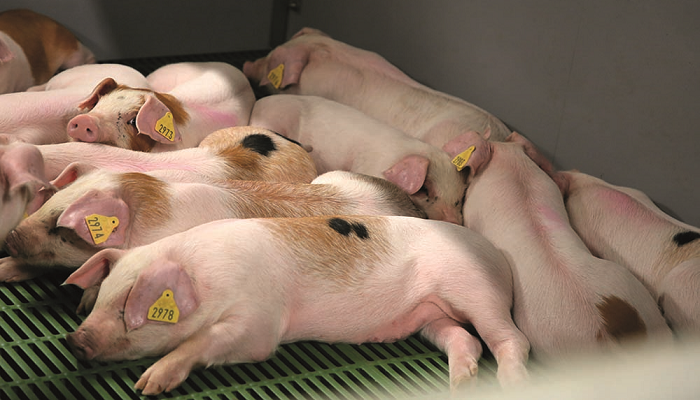
Although the weather to date has proved disappointing with average temperatures below normal for this time of year, current predictions indicate that temperatures in July, August and September will trend above normal. Emer McCrum tells us how to beat the heat on farm.
Recent years have brought periods of very warm weather from July through September and now is a good time to ensure you are adequately prepared for warm days ahead.
Breeding
On hot days it is advisable to start breeding earlier in the day if possible when temperatures are cooler. Heat detection early in the morning will produce a better response compared to later in the day. Sows also exhibit fewer signs of oestrus in warmer temperatures and accurate heat detection therefore may be more difficult on hot days especially for newer members of staff. In addition, boars can become more aggressive in increasing temperatures and easily fatigued which can impact performance.
With timing of AI linked to weaning however it may not be feasible to amend breeding times. If this is the case, allow yourself more time per service to ensure thorough and accurate heat detection. Only bring enough AI doses into the service area to last you one hour in order to avoid exposure of the semen to high temperatures. Work each boar for a maximum of one hour to minimise aggression and maintain libido. Ensure the AI climate box (and vaccination / medication fridge) is located at least 5cm from the wall to provide sufficient airflow. Use an air compressor to remove any dust and dirt that may have accumulated on the vents.
Water Availability
The availability of fresh, clean drinking water plays a crucial role in regulating body temperature. Pigs will consume more water as temperatures rise so it is important to have cool water available to dissipate heat. Check the water flow rates in all stages throughout the farm to ensure you are not inadvertently restricting intakes. Remember to always check the drinker / nipple furthest from the source in each room to ensure flow rates are evenly distributed across the plumbing network.
Water intake is crucial for the farrowing sow but we must not forget about the pre-farrowing period. Research has shown that water intake averaged 9 litres per day in the lead up to farrowing with intakes as high as 18 litres recorded the day before onset. Ensure sows are drinking plenty of water in this period by offering ‘feeds’ of water directly in the trough.
Ventilation
Inefficient ventilation is detrimental to pig performance particularly on hot days. Check the temperature sensors in each room to ensure all are clean and positioned correctly especially after power washing. Dust and dirt will accumulate on sensors and produce distorted readings resulting in inefficient ventilation rates.
Clean air inlets and fan blades regularly as accumulated dust can reduce airflow and increase energy consumption. Double check to make sure the summer ventilation bandwidth is implemented (set at 20c). For natural ventilation, grease curtain and inlet pulleys regularly to optimise functionality. Ensure you have all ventilation systems serviced regularly and don’t delay on carrying out any remedial work required.
Nutrition
Negative performance during summer primarily happens due to reduced feed intake. Nutrient dense diets with increased energy levels may partially compensate for reduced feed intake however, adjustments to dietary formulations may not be feasible in all cases.
In wet feed systems, tailoring the feeding schedule around periods when demand is greatest can aid intakes and reduce feed wastage. Actions such as increasing feed allowance during cooler conditions earlier and later in the day while reducing the allowance during the hottest period of the day may help on hot days. In dry feeding scenarios, humidity can cause problems with bridging so be extra vigilant of this when carrying out daily checks. In the farrowing house, both lactation and creep feed will spoil very quickly. Careful monitoring and frequent removal of uneaten feed on hot days will help to maintain intakes.
Handling & Transport
Pigs are much more lethargic and easily fatigued in high temperatures so it is important to be patient, keep pigs calm and move them slowly. On hot days try to plan animal handling duties as early or late in the day as possible. Tasks such as breeding, weaning, moving pigs and vaccination should be carried out before peak midday temperatures to minimise both animal and handler stress.
Where transport is concerned it is recommended to load finishers early in the morning on hot days to minimise heat stress and the incidence of fatigued animals. Ensure the trailer is set to maximum ventilation and while in transit to minimise the number of stops on-route to the factory. If stops are required park the lorry in a shaded area if possible and minimise idle time.
Personal Care
When working on hot days remember the following points:
- Adjust the work schedule to avoid strenuous activities during the hottest period of the day.
- Remember to drink plenty of cold water and stay hydrated throughout the
- Take shorter breaks more frequently, reduce your caffeine intake and have regular, smaller meals.
- If working outside ensure you apply a thick layer of a broad-spectrum and water- resistant sunscreen to any exposed skin. Wear a wide brimmed hat and sunglasses.
- Wear breathable clothing.