

Edited By
Martina Harrington
Beef Specialist and Future Beef Programme Manager
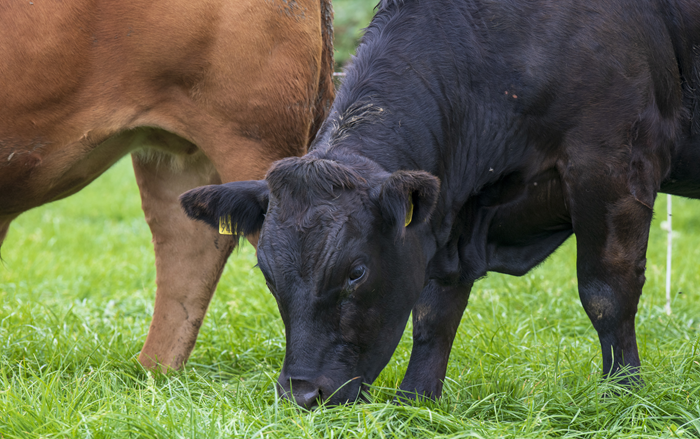
With winter housing approaching, Teagasc Beef Specialist, Martina Harrington shares key management tips on setting the farm up for next spring’s grass, keeping weanlings healthy, preparing for housing and keeping track of important scheme deadlines.
Grassland management
The focus in October switches from building grass covers to closing paddocks in rotation to provide grass for next spring. The order in which you close paddocks now should reflect how you plan to graze them at turnout.
On drier farms, aim to have 60% of the grazing area grazed and closed by the end of October, with the remaining 40% closed during November. On heavier farms, bring these targets forward by 7 to 14 days. Once paddocks are closed, avoid grazing them again, as this grass is your supply for next spring.
Plan your autumn closing order around three stages of spring grazing:
- First grazed in spring: Cattle should start on lighter covers of around 800–1,200kg DM/ha to settle back into grazing and encourage good clean-outs. Choose dry, sheltered paddocks close to the yard, with good access if cattle need to be rehoused. Close these paddocks in the last half of October.
- Second grazed in spring: Move into heavier covers, including silage ground. Graze and close these paddocks first in October, allowing more time to build grass for spring. Keep your planned silage cutting date in mind.
- Last grazed in spring: Ground closed during November will generally be grazed last. This may include paddocks further from the yard or on an out-farm.
Close silage ground first, paddocks for spring turnout in the latter half of October and ground intended for later spring grazing last.
Heavy grass covers this autumn may slow progress. Where possible, split stock, with one group grazing heavy covers or silage ground while another moves through lighter covers to meet closing targets. Check the area closed each week and protect ground conditions.
Animal health
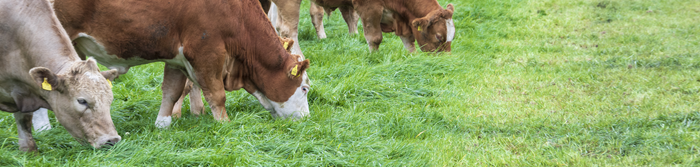
Do not let good grazing conditions delay essential animal health tasks. The Future Beef Programme recommends weaning spring-born suckler calves during September, with vaccination, parasite control and concentrate feeding established beforehand. Calves should be settled and ready for housing or sale before the weather turns.
The dry summer and favourable autumn may have delayed weaning on some farms. If weaning preparations are not complete, complete the following:
- Vaccination: Start or complete programmes in line with your herd health plan. Some two-dose pneumonia programmes require six weeks from the first injection until immunity develops. Waiting until housing is too late to have this protection in place.
- Parasite control: Treat lungworm before housing to give damaged lungs time to heal. Talk to your vet about which dose to use. Some ivermectin products protect against lungworm for up to 28 days, but not all – check the label. Protection against stomach worms may not last as long, so cattle can pick these up again while grazing. Based on what you used and when administered, ask your vet if another treatment is needed at housing. If cattle are coughing or having difficulty breathing, contact your vet straight away.
- Concentrate feeding and weaning: Have calves eating concentrates before weaning and maintain a consistent diet through to housing. Avoid combining weaning, housing, transport and other stressful procedures.
- Bought-in cattle: Do not assume cattle have been vaccinated or dosed. Where possible, ask what they were given and when. Keep bought-in cattle separate from your own stock at first. If you do not know what treatments they have had, agree a vaccination and dosing plan with your vet.
Actions to protect health are a small investment in a valuable animal. A programme covering respiratory disease (IBR, RSV, Pi3, Mannheimia), clostridial diseases and appropriate worm treatment costing an estimated €25/head equates to just 7 cent/kg for a 350kg animal. Costs vary with the products and doses required. Prepare cattle before problems arise – do not wait for the first case of pneumonia.
Castration
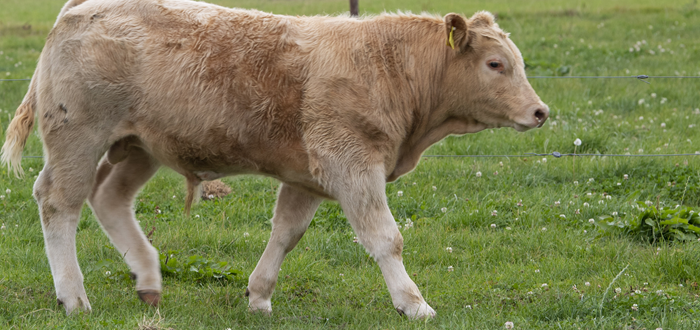
Check calves’ ages and plan castration carefully. Avoid adding it to the stress of weaning, housing or transport.
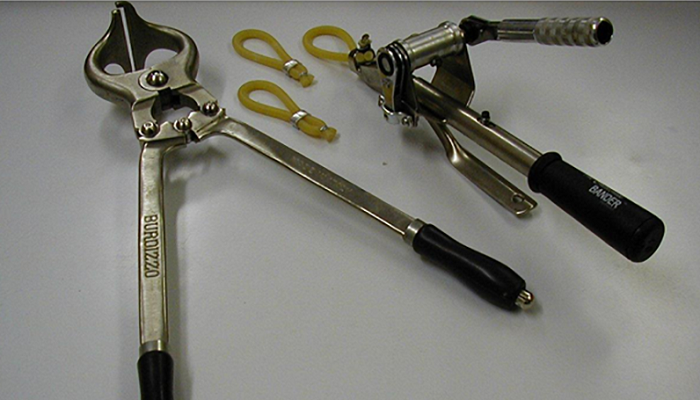
- Know the law: A trained, competent person may use a Burdizzo on calves under six months old. From six months onwards, a vet must carry out castration using local anaesthetic. Check dates of birth, not the size of the animal.
- Provide pain relief: Castration is painful at any age. Give an appropriate anti-inflammatory painkiller, agreed with your vet, to reduce pain and swelling and help calves recover. This is strongly recommended even for younger calves. Painkillers do not replace local anaesthetic where it is legally required.
- Vaccinate beforehand: Complete the two-dose course of a clostridial vaccine that includes tetanus before castration. Allow time after the final dose for protection to develop, following the label.
- Prepare properly: Only castrate healthy calves. Handle them calmly, use suitable handling facilities to restrain them safely and use clean equipment in good working order. Check both testicles have descended. Seek veterinary advice if there is unusual swelling or a suspected hernia.
- Autumn-born calves: A trained, competent person may use a rubber ring before the calf is eight days old without local anaesthetic. From eight days old, a vet must do it using local anaesthetic. Both testicles must be below the ring. Plan pain relief and tetanus protection with your vet. If cows have had their full clostridial vaccination course, give a booster that covers tetanus about a month before calving, following the label. Calves must get enough colostrum soon after birth to receive this protection.
- Check afterwards: Watch daily for excessive swelling, bleeding, poor appetite or infection. Contact your vet if concerned. Check again after about four weeks to confirm castration was successful.
Get your sheds ready for housing
Check sheds now, while they are empty. Repairs are easier and safer before cattle come indoors. If you had problems last winter, tackle them now to protect animal performance and make daily jobs safer.
- Slats: Have slats checked, especially older ones. Damage underneath may not be visible from above. Arrange an inspection by a competent person using a camera, or have slats lifted safely by a specialist contractor if needed. Never enter a slurry tank, even when it is empty.
- Gates and barriers: Check that gates hang properly, open and close easily, and latch securely. Repair damaged hinges, posts and feed barriers. Check feed flaps and other moving parts so they cannot fall or trap someone.
- Ventilation: Smoke pellets suitable for testing airflow can give an early indication of problems while the shed is empty. However, assess ventilation again with cattle housed, when their body heat helps warm, stale air rise and escape -the ‘stack effect’. If you had coughing, condensation or stuffy sheds last winter, get advice and make improvements now.
- Water: Clean bowls and troughs, repair leaks and check how quickly they refill. They must be large enough and refill fast enough for the number of cattle drinking, particularly finishing cattle on high meal diets. Make sure every animal can reach water easily.
- Lights, electrics and cameras: Check lights, switches and fittings. Have electrical faults repaired by a qualified electrician before housing. Test calving cameras and their connection now.
- Cleanliness and space: Clean sheds, disinfect where needed and allow them to dry before housing. Check that each pen has enough lying and feeding space for the cattle it will hold. Have bedding ready where needed and a separate pen available for sick animals.
- Record a housing weight: Weigh growing and finishing cattle at housing to establish their starting weight for winter. Use your silage testing results to establish a feeding plan and daily growth target for each group and set a date to weigh them again. This will show whether the winter diet is delivering the performance expected.
Give finishing cattle enough space
Overcrowding sheds can cost you carcass weight, even when feeding and animal health are right. Measure your pens before housing and match cattle numbers to the space available.
- Lying space: Teagasc research found that finishing cattle given 3m² each produced carcasses 20kg heavier than cattle given only 2m² over 105 days. No further performance benefit was found above 3m² in this trial.
- Know your pen capacity: A pen with a usable lying area of 5.6m x 4.8m provides 26.88m². This gives nine cattle approximately 3m² each. Putting 13 cattle into the same pen reduces this to just over 2m² each. Check feeding space too; floor area alone does not decide how many cattle a pen can hold. Plan for their size at the end of winter, not just at housing.
- Put a value on space: Using an example beef price of €7.20/kg, an extra 20kg of carcass is worth €144/head, or €1,296 across nine cattle. This is extra carcass value before costs, not a guaranteed increase in pen profit. The overall return also depends on how many cattle are finished.
- Floor type: In a separate Teagasc trial, finishing steers on Durapak rubber mats over concrete slats produced carcasses 11kg heavier after 120 days than those on bare concrete slats. They also spent longer lying down and converted feed into weight gain more efficiently. Using the same example price of €7.20/kg, that extra carcass weight is worth €79.20/head, before allowing for the cost of the mats. The same performance benefit was not found in weanlings. For further details on this study, visit here
Tidy your yard and prevent pollution
Dark evenings and wet weather make yard work more difficult. Tidy up and fix problems now, before winter.
- Make the yard safe: Remove loose wire, twine, plastic and unused equipment. Keep walkways clear, clean slippery surfaces and repair uneven concrete. Check that tank covers are sound and secure.
- Check outdoor lighting: Identify dark spots around doors, walkways and handling areas. Replace broken lights and have extra lighting fitted where needed.
- Keep clean water clean: Clear and repair gutters and downpipes. Direct roof water away from dirty yards and slurry tanks. Fix leaking troughs so clean water does not use up valuable slurry storage.
- Collect dirty water: Scrape soiled yards regularly. Collect runoff and wash water in suitable storage. It must not flow into clean-water drains, streams or rivers.
- Check silage pits: Clear grass, plastic and leaves from effluent channels. Repair cracks and leaking joints. Make sure channels lead to the correct collection tank.
- Store bales correctly: Unless suitable facilities are in place to collect any potential effluent, silage and haylage bales must not be stacked more than two high or stored within 20m of surface water or a water abstraction point, such as a well. Stacking wet, soft bales will lead to effluent discharge. Store these in a single layer for safety and ensure any effluent is collected.
- Check storage: Ensure slurry and effluent stores are sound, leak-free and have enough capacity for the stock being wintered and the required storage period.
These water protection measures form part of Conditionality, formerly called Cross Compliance. Walk the yard during rain to see where water is going. Keeping clean water out of tanks saves storage, slurry spreading and money.
The new Teagasc factsheet, Non-Compliance with GAP – Impacts on Water Quality, provides practical guidance on preventing farmyard pollution and meeting the Good Agricultural Practice regulations. Read it alongside your yard checks and contact your local Teagasc or ASSAP advisor if you need help.
Dates for your diary – autumn 2026
- 7 October – Slurry spreading: Final day under the announced extension. Farmers must register with the Department of Agriculture, Food and the Marine (DAFM) before using the extension and comply with its conditions. Otherwise, the closed period starts on 1 October.
- 13 October – Beef Welfare Scheme: Purchase your silage testing or faecal sampling kit, depending on the action selected. Keep receipts and follow the scheme requirements for completing and returning samples.
- 31 October – Farmyard manure: Last day for spreading farmyard manure, where weather and ground conditions allow. The closed period begins on 1 November. Farmyard manure must not be stored in fields during the closed period.
- 1 November, 5.30pm – SCEP: Submit all required suckler cow and calf weights to ICBF. Weigh cow and calf pairs before weaning, using scales registered with ICBF, and submit weights within seven days of weighing.
- 1 November, 5.30pm – National Dairy Beef Weighing Scheme: Submit eligible calf weights to ICBF. Use scales registered with ICBF and submit weights within seven days of weighing.
- 6 November – National Farm Safety Measure: Closing date for submitting payment claims.
- 30 November – SCEP genotyping: Ensure the required genotype samples have been returned and received by the laboratory.
- 4 December – TAMS 3: Closing date for Tranche 14 applications.
Autumn calvers – SCEP reminder: You must calve at least 50% of your yearly reference number in each scheme year. Calves born this autumn fall into the scheme year 1 July 2026 to 30 June 2027. Register every calf within 27 days of birth to meet the scheme’s calf eligibility requirements and avoid payment penalties. Log in to ICBF and check your live SCEP profile to see whether you are meeting the scheme requirements.
Demonstration Farm Programmes
The Teagasc Drystock Knowledge Transfer Department run dedicated demonstration farm programmes in the areas of suckler and dairy beef.
For the latest from the DairyBeef 500 Programme, sign up to its frequent e-newsletter here.
For the latest from the Future Beef Programme, sign up to its monthly newsletter here.