
Biosecurity: The first line of defence on pig farms
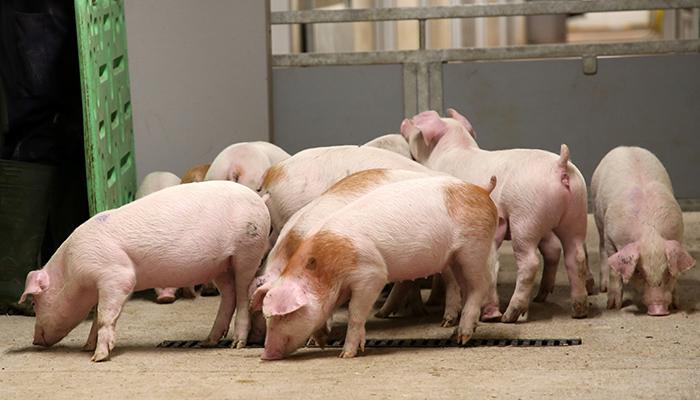
Biosecurity is one of the most important tools available to pig farmers for protecting herd health and maintaining farm productivity.
Put simply, biosecurity refers to the measures used to prevent the introduction and spread of disease on a farm. While many biosecurity practices may appear straightforward, their effectiveness depends on consistent implementation by everyone working on or visiting the farm.
Good biosecurity plays a vital role in protecting animal health, farm productivity, food safety, and animal welfare. In modern intensive pig production systems, preventing disease entry is far more effective and economical than dealing with the consequences of an outbreak.
This biosecurity on pig farms video provides a practical overview of key measures that should be incorporated into pig farming systems. It highlights the importance of managing farm access through visitor sign in procedures and the requirement that visitors have had no contact with another pig farm or pig processing facility for at least 48 hours before entering.
The video also outlines the importance of maintaining clear separation between “dirty” (outside the farm) and “clean” (inside the farm) zones. It demonstrates the correct shower-in and shower-out procedures, along with the use of farm-specific clothing and footwear, all of which help minimise the risk of introducing disease onto the farm.
Additional biosecurity measures covered include the correct use of disinfectant footbaths, regular hand washing and glove use, and restrictions on food products entering the clean area of the farm, particularly pork products which may pose a disease risk. The video also highlights the importance of effective rodent and vermin control programmes, safe procedures for loading pigs for sale, appropriate carcass removal practices, secure medication storage, and the role of good stockmanship in maintaining herd health.
Good biosecurity is essential for protecting pig health, supporting animal welfare, maintaining productivity and preventing the spread of infectious diseases on pig farms.