
30 May 2023
Blowfly strike: Why prevention is better than cure
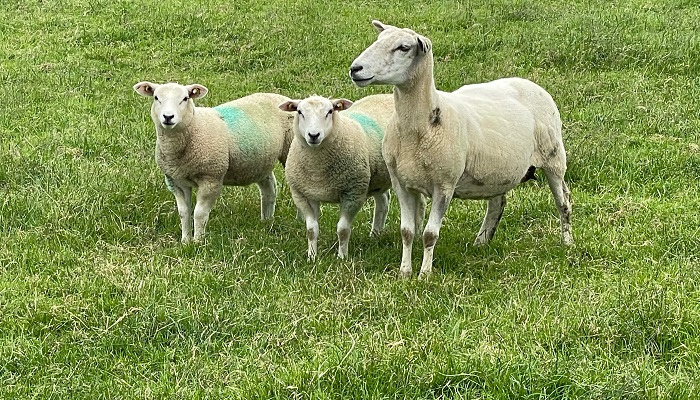
The risk period for blowfly strike has begun and will continue through to October, and beyond, where conditions allow. Unchecked blowfly will cause welfare issues, production losses and mortality, Teagasc Sheep Specialist Ciaran Lynch tells us more.
Flies are attracted to soiled areas of the fleece and strike typically starts there. This is usually around the tail end, but strike can also occur on the back, shoulders and undercarriage, as well as in the feet. Any open wound, such as the head, will also be targeted.
In the initial phase of strike, the animal may be away from the main group and appear agitated, often biting or kicking at the affected area. Typically, flies can be seen around an area of discoloured fleece. As the condition progresses, a discharge and associate foul smell will stem from the affected area. The fleece will start to come away. If left unchecked, toxaemia and death will result.
Key steps
- Check regularly during the high-risk periods.
- Inspect suspected cases thoroughly once spotted.
- Treat promptly.
How it occurs
Strike occurs as a result of adult blowflies laying their eggs on a sheep. Each of these flies are capable of laying up to 200 eggs per day, so the problem can occur and spread quite rapidly on farm. Eggs hatch into the first-stage larvae within about 12 hours. These larvae are a little bigger than a grain of rice and cause no damage as they don’t have mouthparts. However, within 24 to 36 hours, they develop into second and subsequently third-stage larvae that have acquired mouthparts and feed consistently on skin and underlying tissue, causing lesions and further serious damage when left unchecked. Once they reach the third stage – maggot – they will begin to drop off the animal and complete the life cycle on the farm, with a new fly emerging within approximately seven days in ideal conditions.
Implications
- Strike can occur once there is blowfly activity.
- The time from the blowfly laying eggs to damage occurring is short, so prompt action is needed once symptoms are evident.
- You must try to prevent the blowfly completing its life cycle, as this increases the level of challenge present on the farm and surrounding area for the rest of the season.
Pre-disposing factors
Blowflies are attracted to organic matter or discharges. Soiled, dirty fleeces from animals with scour, footrot or open wounds from shearing or rams fighting increase the risk. They are also highly attracted to sheep where strike has already occurred. In damp, humid conditions the risk is heightened.
Key steps
- Have an effective internal parasite programme in place on your farm.
- Dag/crutch/shear dirty sheep.
- Treat any incidence of strike promptly.
Treatment options
As stated already, the aim should always be to prevent blowfly strike from happening in the first place. There are a number of different options.
Plunge dipping
The effectiveness of this method depends on correct dipping procedure. Ensure the dip is made up to the correct strength and replenished periodically, follow the manufacturer’s instructions. Sheep should remain in the solution for a minimum of 60 seconds. The duration of immersion in the dip solution is strongly correlated to the length of time that protection will last.
Topical applications
This is the most common method used on farm. There are a number of products available, offering periods of cover from seven to 19 weeks. Correct application method will have an impact on the efficacy. Ensure the gun is calibrated and delivering the recommended amount and that it is applied evenly in the designated areas as per manufacturer recommendations.
Applying to soiled or contaminated areas will greatly reduce product efficacy. The meat withdrawal dates vary from seven to 40 days for these products, so be careful to ensure they are suitable for your farming system. Given that the blowfly season is quite long, a repeat application may be required once the period of cover nears its specified duration. These common products used can be split into two categories based on their active ingredient and mode of action.
Insecticidal pour-ons – there are a number of pyrethroid-based pour-ons (eg cypermetrin), which offer short-term cover (six-eight weeks) from flystrike on the areas where they are applied. These products will also kill maggots if they are applied directly to the larvae.
Insect growth regulators (IGRs) – these products work by interrupting the life cycle of the larvae. They prevent the stage one larvae that don’t cause harm from developing into stage two larvae that have mouthpieces and can cause damage. These products won’t kill stage two or three larvae (maggots) and therefore must be applied before the blowfly lays eggs. There are a number of different products within this category on the market, with varying lengths of cover from eight weeks up to 19 weeks.
Shearing
The fleece provides an ideal incubation ground for the fly to lay her eggs and shearing will remove this. However, this protection is only short lived and strike can occur within weeks during high-risk periods, so one of the outlined methods above will need to be incorporated into the control programme for these animals.
Key points
- Have the control method in place before strike occurs.
- Use products correctly according to the manufacturer’s instructions.
- Be aware of the periods of cover provided by each product and the withdrawal dates when selecting stock for sale.
- Put a plan in place to deal with blowfly strike this season. Contact your advisor or veterinary surgeon to discuss this further.
This article first appeared in the May/June edition of Today’s Farm. Access the full issue here.