
Breaking the pathway with Phosphorus and sediments
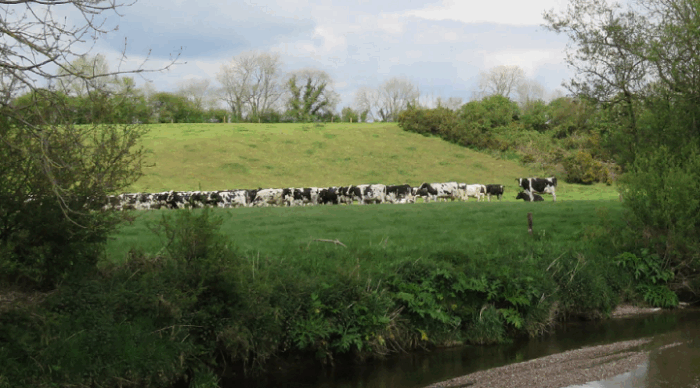
Break-the-pathway measures to reduce phosphorus and sediment losses to water were a key topic of discussion at the Farming for a Better Future Open Day, taking place today, June 10 at Teagasc, Johnstown Castle.
Through their paper at the Johnstown Castle event, Cathal Somers, Patricia Oliveira Antunes and Neilus Nunan explained why protecting water quality requires understanding how overland flow moves phosphorus and sediment from fields to rivers.
By identifying flow pathways, monitoring entry points to waters and applying targeted on farm measures, farmers can break pollution pathways and improve water quality. Invertebrate species also provide clear indicators of stream condition and overall catchment health.
Key messages delivered included:
- Overland flow pathways transport phosphorus (P) and sediment during rainfall events, especially where soils are saturated, unprotected or compacted, creating direct connections between fields and streams or drains.
- River Slaney catchment mapping shows variation in water quality, helping target priority areas where water quality is not meeting the required standard and identifies areas to focus mitigation measures.
- Walking the farm with the aid of Pollution Impact Potential maps (catchments.ie) can identify critical source areas, natural depressions, tramlines and gateways where runoff concentrates before entering drains or watercourses.
- Rain event sampling captures P and sediment pulses, sometimes revealing significant losses in a short time period.
- Sensitive invertebrates such as mayfly, cased caddisfly and stonefly thrive in clean, well oxygenated water, making them reliable indicators of high ecological status. Tolerant species like freshwater shrimp, leeches and blackfly larvae increase where sediment and nutrient pressures degrade stream conditions.
- On farm mitigation measures to break the flow pathway includes buffer zones, riparian margins, roadway management, fencing off watercourses, appropriate placement of water troughs, cover crops, hedgerows, tree planting, earthen bunds, nature-based solutions and redirecting runoff away from watercourses.
- Using soil samples to generate a nutrient management plan is important, index 4 soils for P can lead to increased P loss to water.
- ASSAP advisors support farmers with the aid of the Farming for Water EIP to implement appropriate measures to reduce losses.
- The Slaney catchment is one of the focus catchments for the Teagasc Better Farming for Water campaign.
In the below video, Fiona Doolan, Catchment Co-Ordinator, outlines some of the main points discussed at the Farming for a Better Future Open Day:
Find out more about the Teagasc Better Farming for Water Campaign here.