
Breeding and feeding autumn-calving cows
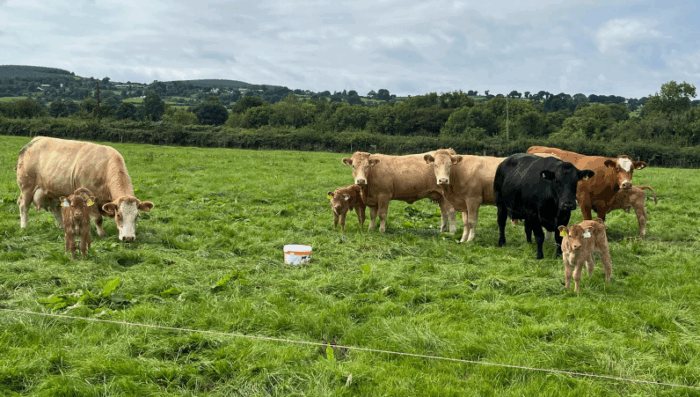
As calving is slowing down on autumn-calving suckler herds, Future Beef Programme Advisor, James Mullane reminds suckler farmers of the importance of breeding and feeding for a successful breeding season.
The next task at hand for many autumn calving herds is breeding. On farms operating an autumn calving herd where calving starts in late July, breeding is likely to get underway from mid-October and continue into late December.
An effective autumn suckler herd breeding plan focuses on managing cow condition and fertility post-calving, selecting AI bulls for specific traits using national index systems, and utilising heat detection methods to achieve a tight calving period.
A key goal is a 365-day calving interval, aiming for a tight calving period. This requires a balanced breeding strategy that improves both Replacement Index (for future cows) and Terminal Index (for meat production) while prioritising calving ease and docility. No matter whether you are Spring/Summer or Autumn calving, breeding is a critical period for any suckler enterprise. What determines reproductive efficiency within the suckler cow?
- The interval between calving and the return to normal heats
- Heat detection efficiency especially where Artificial Insemination (AI) is used
- Overall conception rate per service
Feed a high energy diet before and after the breeding period
Body Condition Score (BCS) at calving is one factor which may influence success at calving and a fast return to heat. Nutrition once calved again is of paramount importance especially where you have first calved heifers, older cows or those with multiple births as requirements for maintenance, growth and production of milk will be different for each.
Target the best silage on farm to autumn calving cows to drive milk production and fertility. Make sure to have silage analysed. Silage produced can be of varying quality and autumn calving cows need quality silage.
Ration should be fed in order to boosts energy and protein intakes as well as minerals. Supplementation depending on silage analysis could be in the region of 1kg to 3kgs/head/day until breeding season has finished to maximise conception rates. For silage at 72 DMD or above feed 1 kg per day. Increase the meal feeding rates by 1 kg for every four unit drop in DMD value. The silage should be fed on an adlib basis where possible.
Cows should be on a steady diet during the breeding season and for at least four to five weeks after animals have been served in order to prevent embryonic losses. Cows should be housed before breeding and settled on a silage diet as housing mid breeding can have a negative impact on conception rates.
Other considerations when breeding autumn calving cows
Minimise stress levels when handling cows when using ai. Cows can become excited and aggressive when they are separated from the herd for breeding. Drafting out a couple of cows is safer than trying to isolate a lone animal. Returning cows back to their pens as soon as possible after ai will help keep stress to a minimum.
Be mindful of your own safety and the safety of others namely ai technicians and anybody involved in drafting out cows.
James Mullane is an Advisor on the Teagasc Future Beef Programme. For more tips and advice, visit the Future Beef webpage here.
More from Teagasc Daily: Sire selection for autumn-calving suckler herds
More from Teagasc Daily: Gearing up for weaning at Derrypatrick