
Building resilience into Irish farming systems to future dry spells
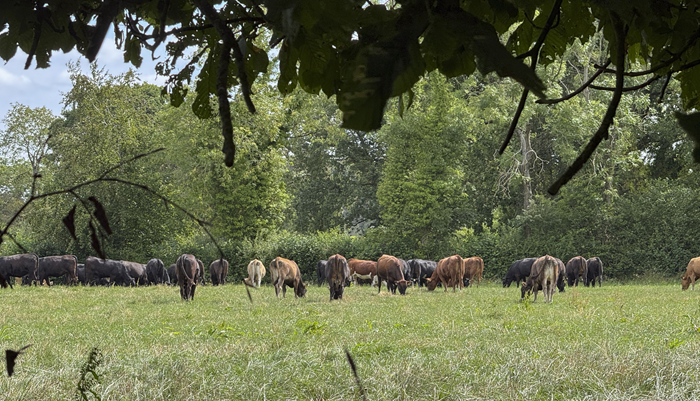
A prolonged period of warm and dry weather has brought challenges to many Irish farms, whether that be issues with curtailed grass growth, water supply or buffer feeding stock outdoors.
Joining Aengus Cox on a recent episode of RTÉ’s Behind the Story podcast, Teagasc Head of Advisory Services, Tom Curran shared actions farmers should prioritise to add resilience to their farming systems if similar weather events re-occurred in future years.
From a crop perspective, the Teagasc representative noted that although dry weather has facilitated an easier harvest, crop yields are variable and future research work may focus on cropping systems and soil types that are capable of withstanding warmer summers. One potential avenue floated was an increase in winter crops, albeit these are often associated with establishment challenges in wetter autumns and winters.
From a livestock perspective, Tom Curran acknowledged that a lack of moisture has curtailed grass growth rates over recent weeks but was optimistic that growth could improve into the autumn if sufficient rain arrives.
For farmers looking to future-proof their businesses to future dry weather-related challenges, Tom Curran focused on summer feeding strategies, water supply, slurry and fertiliser management, appropriate stocking rates linked to the ability of the farm to grow grass and the importance of completing an annual fodder budget that includes a buffer for summer feeding.
Over recent weeks, water supply issues have become evident on numerous farms. Where such an issue has occurred, the Teagasc Head of Advisory Services explained that well capacity, pump capacity, water pipe bore diameter and trough capacity all need to be considered before future prolonged periods of dry and warm weather.
When questioned on the possibility of prolonged dry periods leading to extended housing periods and the need for additional purchased feeds on Irish farms, Tom Curran explained: “I don’t think we will see the need to go into indoor systems and we wouldn’t want to go there because it would actually have a big impact. Our grass-based system is our competitive advantage in livestock systems and is a fundamental in marketing our produce abroad, so it is not somewhere we would want to go.”
Instead, he encouraged farmers to assess their stocking rate, basing their carrying capacity on the land available and its capacity to grow grass.
“An adjustment [to stocking rate] may be required… If your farm isn’t growing enough grass, maybe the right option is a slight reduction in stock numbers as opposed to large amounts of bought in feed, which are very expensive and reduce profitability. You will always have to bring in a certain amount of bought in feed, but there is a balance there.”
The importance of matching fertiliser application rates, whether organic or chemical was also discussed, with applications prioritised to actively growing crops to ensure the efficient use of the applied nutrients and to lessen losses to the environment.
To prepare for future pinch points, Tom Curran also advised farmers make completing a fodder budget an annual task, assessing feed supplies available and the potential number of animals carried over the winter months.
“Farmers can prepare [for similar occurrences] by doing a couple of critical things; budgeting if you do need to feed silage or fodder over the summer, then that has to be factored into how much you do need to conserve,” Tom Curran explained.
Also discussed on the podcast was a brief overview of the outlook for fruit and vegetable markets, considering the impact of weather in Europe, as well as some of the challenges being experienced by fruit and vegetable growers in Ireland.
Listen to the full episode of the Behind the Story podcast on the RTÉ website.