Calving management – pre-planned precautions needed for safety
From a safety perspective, non-fatal injuries, survivor experiences, or near-misses at calving time are often under reported on Irish farms.
As part of the Knowledge Transfer Master’s Programme, Kirsty Sweet gathered knowledge from survivors to establish a framework to make the calving period safer on Irish farms.
The study, completed under the supervision of Sinéad Flannery, UCD, Francis Bligh and John McNamara, Teagasc, and as part of the Teagasc Walsh Scholarship Programme, aimed to establish what caused attacks and near misses at calving, and how advisors can support farmers to make calving safer.
The findings of this study were presented at the Teagasc Knowledge Transfer Conference 2026, held on October 22, where Kirsty Sweet explained: Calving-related husbandry and intervention can bring farmers into close-proximity with cows displaying heightened maternal defensiveness. Oftentimes, there’s limited scope for separation, restraint or safe exit along with pressure to act, thus increasing the danger.
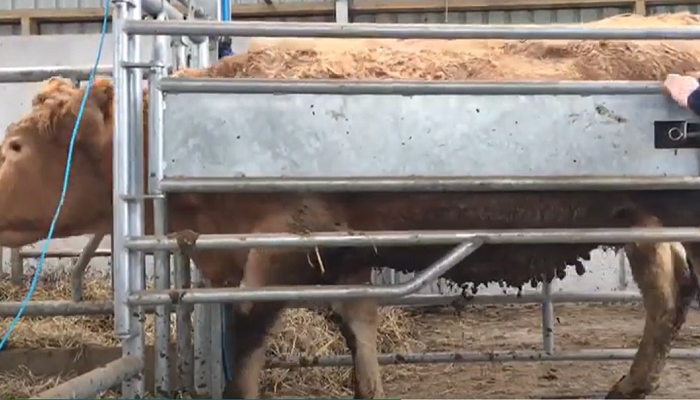
Given these challenges, the study highlighted the need for pre-planned precautions at farm level, thus reducing cow-calf exposure through protected contact, a clear exit point and effective barriers.
From this, it was concluded that advisors have a role in supporting walk-throughs, shed-flow mapping, reflective near-miss learning and supporting the development of targeted infrastructure improvements.
For more information on the Teagasc/UCD Knowledge Transfer Conference, visit here.