
Collection and storage of silage effluent
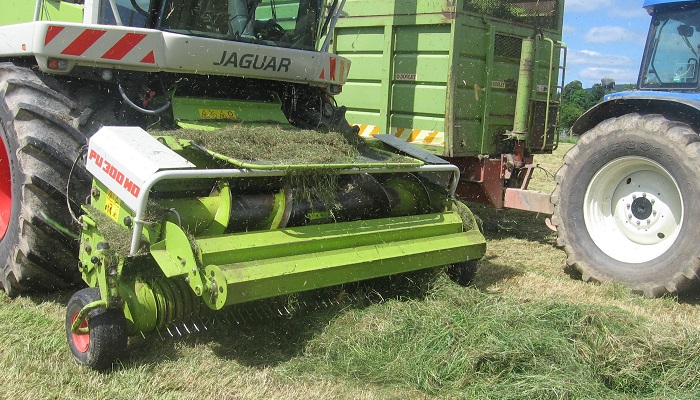
With silage underway, Enda Geoghegan, Signpost Climate Advisor, Teagasc Mayo, reminds farmers of the importance of collecting and storing silage effluent.
Silage effluent is a highly polluting liquid that must be entirely collected and safely stored to prevent severe water contamination. Proper management requires routing all effluent to a purpose-built storage tank, preventing dilution with rainwater and regularly monitoring levels to avoid overflows.
Key collection and storage practices
- Pre-season inspection
- Check all silage pits before harvesting starts. Wash the silage pit and channels, repair any cracks or defects with acid-resistant sealants to ensure the system is entirely leak-proof.
- Reduce effluent production by wilting the grass
- Aim to wilt grass in the field for 24 hours. This increases dry matter and significantly reduces the volume of effluent produced.
- Covering and drainage
- Extend the silage polythene cover beyond the effluent channels to prevent rainwater from diluting the effluent. Keep collection channels clear of blockages (e.g., loose grass) by placing plastic drainage pipes in the channels to keep liquid flowing freely into the tank.
- Tank maintenance
- Effluent is generated most heavily in the six weeks after ensiling, but tanks must be monitored right through the autumn and winter. Never allow the tank to overflow. Whether the effluent is diverted into a purpose-built tank or a slatted tank, always keep it monitored.
Regulations and land spreading of the effluent
Buffer zones
Silage effluent tanks must be situated at least 10m away from inland surface waters (streams, ditches, coastal waters) and at least 50m away from wells, springs, or boreholes.
Dilution
When land-spreading, the effluent must be diluted at a 1:1 ratio with water or slurry to avoid scorching crops.
Bale management
Bales can also generate low-dry-matter effluent. They should not be stored more than two high unless adequate effluent collection facilities are available and must be kept at least 20m from surface waters or abstraction points.
Application limits
Do not spread on waterlogged or frozen land, or if heavy rain is forecast within 48 hours. Respect designated buffer margins near water bodies ranging from a minimum 5m – 20m (depending on the type of river or lake) or 25m – 200m of a well or public water supply.
For detailed guidance specific to County Mayo and the rest of Ireland, review the information and advice provided on Farmyard Management and Storing Silage Effluent and Managing Effluent Collection.
Farm safety
As well as having all the best practices in place for the collection of effluent we must not forget that silage time is one of the busiest and most dangerous periods on the farm. High-risk areas include machinery entanglement, tractor blind spots, fatal falls from silage pits and bale stacks and hidden slurry gas hazards. Prioritising clear communication and planning prevents devastating accidents.
Best of luck in the coming silage season and all we need now is some good weather.