
Controlling liver fluke in dairy beef animals this winter
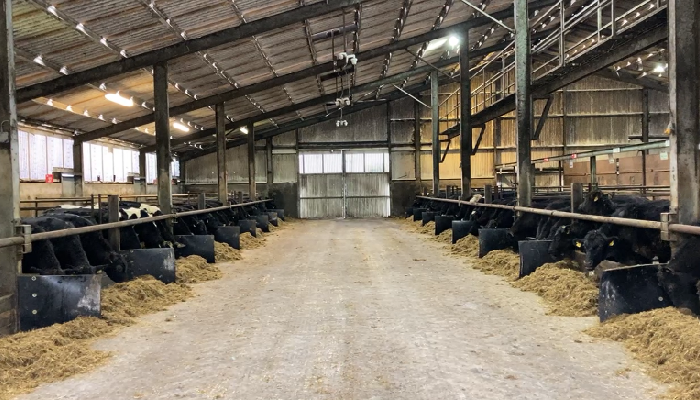
Now that cattle are indoors on nearly every farm, DairyBeef 500 Advisor, Tommy Cox shares tips on controlling liver fluke – a potential challenge on some farms after a wet end to the grazing year.
The 2025 grazing season was one that most dairy beef farmers were glad to see after a few difficult years. Grass growth stayed steady throughout the summer, and most farmers were happy with how stock performed at grass.
Unfortunately, the year finished on a tougher note. From late September onwards, heavy rain made grazing difficult, caused poaching in many paddocks, and led to earlier housing than planned on a lot of farms. This wet spell also created ideal conditions for liver fluke, as the mud snail – essential for fluke development – thrives in damp, waterlogged areas. As a result, many farms may be facing higher fluke pressure this winter.
Now that cattle are indoors on nearly every farm, winter is the best time to take control of internal parasites especially liver fluke. Once animals are housed, they can’t pick up any more fluke, so farmers have a perfect chance to clean them out and protect performance during what is already an expensive feeding period.
Liver fluke can take the good out of cattle very quickly. Poor thrive, lower weight gain and reduced appetite are all common signs. What makes fluke tricky is that the damage starts long before the parasite reaches adulthood. After cattle consume the fluke, the young stages travel through the liver, causing inflammation and scarring. It takes about twelve weeks for them to grow into adults, and the stages are broken down as:
- Early immature: first 5–6 weeks
- Immature: 6–10/11 weeks
- Adult: after week 11
Only adult fluke lay eggs, so dung samples will only show positive results once fluke are fully mature. This means farmers shouldn’t rely on faecal samples alone, especially if there’s already a history of fluke on the farm. The Beef HealthCheck reports on ICBF are very useful, showing any liver damage found at slaughter from previous animals. Many factories have highlighted higher levels of liver damage in recent years, so it’s worth checking your report before deciding on a treatment plan.
There are plenty of flukicides on the market, but not all of them kill every stage of the parasite. This is where timing becomes very important. Some products only kill adult fluke, which mean cattle must be housed at least 11–12 weeks before dosing for them to work properly.
For farms with heavier fluke challenges, triclabendazole is the only product that kills all stages – early immature, immature and adult fluke – so it can be used shortly after housing. However, resistance to triclabendazole has been found in some areas, so avoid overusing it and seek advice if unsure. Other products such as closantel, nitroxynil and rafoxanide kill immature and mature fluke and can be given around six weeks after housing. Products like clorsulon, oxyclozanide and albendazole generally work only on adult fluke therefore stock must be in a minimum of 11-12 weeks for these products to get an effective kill.
Always check withdrawal periods, especially for cattle close to finishing, as some products have quite long delays before slaughter.
A simple, well-timed dosing plan based on what’s known about your farm and the right product for the right stage will help keep liver fluke under control this winter and keep dairy beef cattle performing well right through the housed period.
Tommy Cox is an Advisor on the Teagasc DairyBeef 500 Programme. For more tips and advice, visit the DairyBeef 500 webpage here.
More from Teagasc Daily: The liver fluke forecast
More from Teagasc Daily: Calf-to-beef: Maximising performance over the first winter