
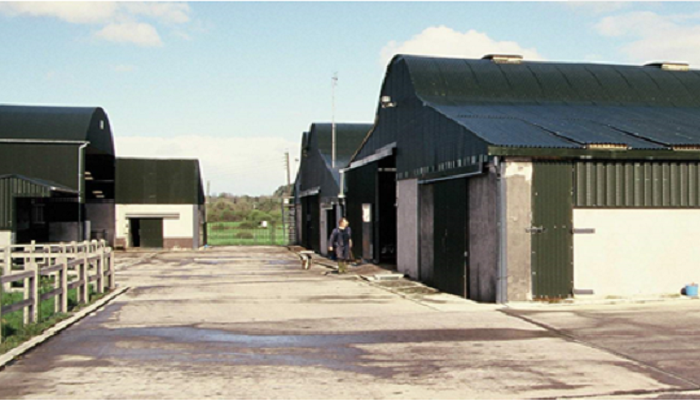
Rodents, if not controlled, can cause serious economic loss through spoilage of animal feed, spread of pathogens and damage to buildings and equipment, Eamonn Dempsey, Teagasc Advisor, shares some key tips on controlling rodents.
Rodent control is essential to ensure food hygiene and for the protection of human and animal health. In the winter months, food and water sources for rodents tend to become scarce, leading to a rise in rodents turning up around farmyards.
It is important to monitor your farmyard at least 2-3 times per week to identify areas that can harbour rodents. Seal obvious entry points in buildings and doorways with metal sheeting, hardware mesh or cement.
Animal feed should be stored in rodent-proof containers or sealed silos, remove any spilled feed on the yard or around feeders. Your farmyard should be kept neat and tidy, keeping old machinery, pallets, scrap wood, plastic etc away from farm buildings.
Control methods
Depending on the severity of infestation, non-chemical control methods should always be considered before rodenticides. Farmers in the ACRES scheme have the option to choose NPI Rodenticide free rodent control action, where they can install up to 6 traps in the farmyard.
This action will support the farmer to achieve effective rodent control while preventing accidental and secondary poisoning. If using rodenticides, only use approved products and follow the information on the product label which includes application details, manner and area of use and safety information.
The bait used should be appropriate to the conditions and circumstances of the infestation, such biocidal products include meals, cut or whole grain, pellets, wax blocks, edible lards/gels/pastes and foam.
Remember that rats may carry bait away and hoard it or drop it in areas where children or non-target animals can come into contact with it. If bait uptake is poor or treatment fails, change to a different bait rather than simply increasing the dose.
Bait stations for rats should be spaced about 5–10 metres along runways and around buildings. Never leave bait exposed to non-target animals and birds. Rodent predators, e.g. Barn Owl, can be exposed to rodenticides by feeding on rodents that have died of rodenticide poisoning or catching and feeding on live rodents which have these toxins in their system.
It is important to inspect bait points regularly and do not leave rat bait down continuously for more than 35 days. If using traps, place several traps in an area where activity is obvious. It is essential that an initial inspection occurs on the following day to check whether, or not, non-target animals e.g. rabbits have been trapped. Remove dead rodents with gloves, place in sealed bags and dispose according to local waste rules.
Once the infestation is controlled, farm cats and dogs along with birds such the barn owl, buzzard and kestrel can be effective in preventing the re-establishment of a rodent pest infestation.
For more on the effect control of rodent pests on farms, visit here.