
24 February 2025
Controlling thermoduric counts this spring
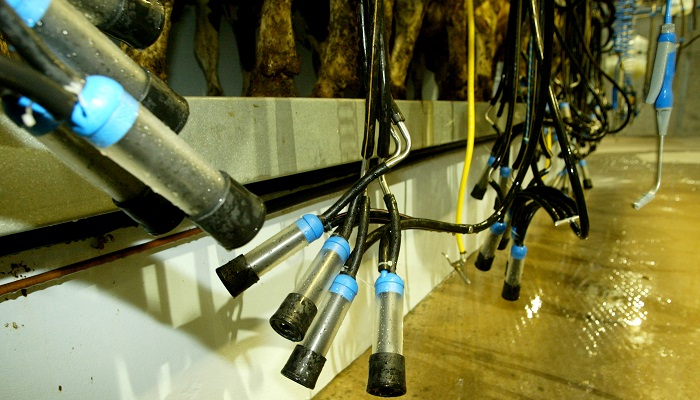
Dairy Specialist at Teagasc, Mark Treacy shares tips on controlling thermoduric counts this spring, focusing on the importance of cow hygiene and plant and bulk tank cleaning routines.
Thermoduric bacteria naturally occur in the cow’s environment, such as in soil, faeces, feed and bedding. Milk contaminated with them can have serious implications for the quality and shelf life of the dairy products produced from it.
Bulk tank thermoduric counts often rise in the spring period due to cows spending more time indoors in cubicle houses and the greater risk of cows being contaminated with soil/faeces when grazing conditions are tricky. Therefore increased efforts to control the issue are needed. The critical focus points are cow and milker hygiene, and that effective cleaning regimes are in place for milking and milk storage equipment.
Reducing the impact
Thermoduric bacteria are not found in the cow’s udder. Initial contamination of milk occurs during the milking process if contaminated material, such as soil or faeces, enters the milk resulting in moderate thermoduric counts.
Where plant or bulk tank cleaning regimes are insufficient, thermoduric bacteria can then multiple within the equipment between milkings and become a contamination source for future milkings. Where thermoduric counts are very high, this is likely the cause.
Ensure the cow’s environment is kept clean, with particular focus on farm roadways and collecting yards – if udders and teats look dirty there is a problem! Where cows are dirty, they should be cleaned, but where washed it is vital to also dry them before putting clusters on. All milkers should wear gloves when milking and wash them regularly throughout the milking process. Clipping cow’s tails and udder hair is also useful for improving cow hygiene.
The three T’s of parlour wash routines
Poor wash routines are a common cause of high thermoduric counts. Remember the 3 T’s: Temperature; Titration; and Turbulence.
Temperature:
Ensure sufficient hot water is available for washing (75 to 80oC). Hot wash solution should still be at least 45oC at dumping for effective cleaning.
Titration:
Ensure detergents are used at the correct concentrations. A higher concentration (1%) will be required for cold washing. Where automatic washing systems are fitted, regularly check that the correct volume of detergent is being used, and always recalibrate if changing products. Where peracetic acid is being added to the final rinse, ensure all detergent has been rinsed from the plant before circulating the peracetic acid solution.
Turbulence:
The ‘sloshing effect’ of the wash solution moving through the plant is an important part of the washing process. Check that all units are washing correctly, small issues like a blocked air bleed on a cluster is enough to affect this. Ensure there is always a small amount of solution in the wash trough when the wash solution is circulating, as if the suction pipe is sucking air the wash routine will not be as effective. Finally, where an air purge system is fitted, listen to check that it is functioning properly as it is a vital part of the wash process in larger parlours with large milk lines.
More from Teagasc Daily: More for less – the importance of early spring grazing
More from Teagasc Daily: Managing Somatic Cell Count in early lactation