
10 November 2022
Cow Management now can effect next year’s Breeding Performance
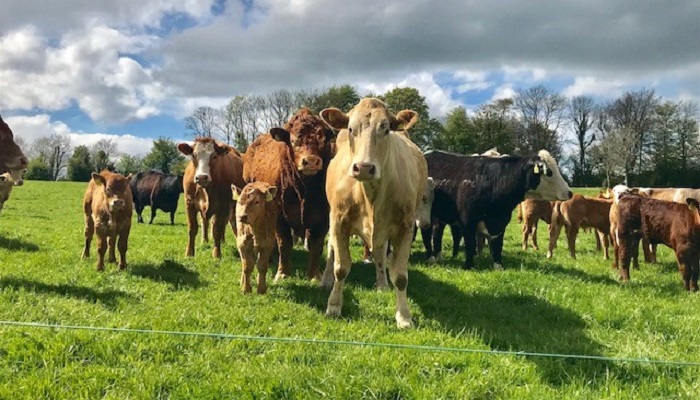
With the poor weather of the last few weeks many of our suckler cows are now housed and in many cases weaned. Those that are not weaned if not adequately fed may start to lose condition which we should avoid particularly if they are older thin cows or first calvers.
It is management of cow condition at this stage that is crucial for a number of reasons;
- If managed correctly it can reduce feed costs
- Letting cows get too thin in advance of calving may delay their ability to go back in calf next spring.
If you look at your cows today you can broadly split them into three categories, those that are too thin, too fat or in ideal condition. If this is the case then over the next two to three months we have to maintain the cows in ideal condition, thin down the cows that are too fat and put condition on those that are too thin. Ideally all this should be corrected 6-8 weeks out from calving as cows demands will very much focus on growing the calf in the last two months.
Do you know your silage quality?
This is a very basic question but often goes unanswered. Silage will be the mainstay of the cows diet for the next 4-5 months so it would be nice to know if it is good quality (70- 72%DMD+), average quality (65 – 68%DMD) or poor quality (<64% DMD).
Silage quality will set the bar for whether you will have to feed concentrates or not and other than for a few thin cows we should be aim to maintain suckler cows on silage alone.
If we take the thin cows offered good quality silage (72%DMD+) to appetite will rectify body condition pre calving. If however your silage quality is only moderate or poor then they will need additional concentrates at either 2 or 4kg/day. A significant added expense due to variation in silage quality.
Fat cows on good to average quality silage can be restricted to 25 to 30kg/day respectively for a period until they are in a fitter condition for 6-8 weeks pre-calving. Your facilities will be critically important if restricting silage as all cows will need access to the feed barrier once fresh silage is put out otherwise the shyer more timid cows will be too severely restricted.
Cows in ideal condition can be maintained in condition on average quality silage given to appetite. They may have to be restricted for a period if offered good quality silage.
The reason that we try and manipulate condition well in advance of calving is to have the cows in ideal condition and avoid low levels of feeding in the last two months pre calving. Over fat cows at calving will have increased calving difficulty as will thin cows but for completely different reasons.
So we need to aim for the Ideal cow condition ‘where she is fit not fat’ at calving. On the condition score scale cows in Body Condition Score of 2.5-3.0 at calving are considered to be in ideal condition.
After calving we can’t afford to let condition drop excessively before turnout and this will be particularly important in young first calving heifers. So for example in Teagasc, Grange the first calving heifers which calve down at 2 years old will be given good quality silage plus 1.5 – 2kg of concentrate until turnout. If we didn’t do this the loss of condition while inside would impact on fertility.
For now though spring calving is a long way off. So we have an opportunity to get a handle on our silage quality by testing it. We can identify the thin and overfat cows and feed them to achieve the ideal body condition 6-8 weeks out from calving. This will lead to a better calving outcome and set things up for a good breeding season in 2023.
Teagasc Beef Specialists issue an article on a topic of interest to suckler & cattle farmers every Wednesday here on Teagasc Daily