
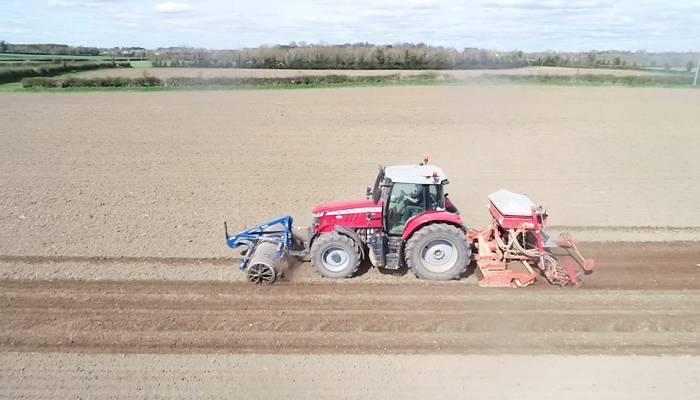
With harvest 2025 coming to a close, Teagasc Crops Specialist, Shay Phelan writes that tillage farmers face into critical decisions over the coming weeks when planning for harvest 2026.
Obviously, crop rotations will have to be considered when planning or deciding what to plant this autumn. Probably more important this year, however, will be markets.
From what we are being told in the marketplace, there seems to be very little demand for oats or malting barley. So, what options does this leave growers?
Traditionally, we grow about 25,000 hectares of oats, including both winter and spring crops, but all the merchants are currently saying that they can’t take anymore as there is very poor demand and forward prices are very weak. Likewise with malting barley, we have heard all year that contracts are being cut and demand for spirits especially is declining.
So that leaves us with a narrow choice of options. Obviously, there is winter wheat and barley but in poor slots we have seen this year that they are expensive to grow and often don’t perform well.
Oilseed rape is the crop of 2025 harvest. However, again we are limited by rotation and the amount of brassica-based cover crops in ACRES and Farming for Water EIP. Beans and peas are other options, but again market and rotation need to be considered. Rye is also an option, but again the market needs to be found for any rye grown. Finally, forage crops such as beet, maize may also be considered as alternatives.
Now is a good time to talk to the different co-operatives and see what alternatives you have. There are different dynamics going on in the market this year that need to be considered before you start to order any seed.
More from Teagasc Daily: Crops Forum planned for September
Subsoiling
It is noticeable that a lot of land work is going on at the moment – whether that is subsoiling, drainage etc. While this would appear to be a good opportunity to try to repair any damage that has been done to soils over the last number of years, as soils are very dry, the first job in hand should be to identify the problem and then identify the cause.
Many growers are subsoiling ground at the moment unaware of the good or bad that they are doing. Key to achieving a good result in subsoiling is to identify where in the soil profile the compaction layer is occurring and then set the subsoiler depth just below the compaction layer.
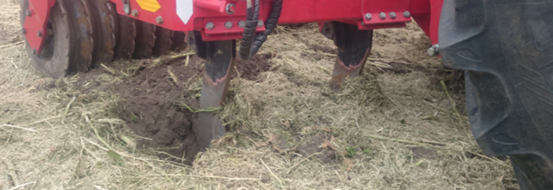
Figure 1: Setting the subsoiler to the correct depth is critical.
In the video below Dr. David Wall, Teagasc, Johnstown Castle talks about the dos and don’ts of subsoiling:
Once you have carried out the subsoiling, it is also important to identify the cause of the compaction e.g. tramlines, but traffic management – especially on headlands – can play an important role in preventing compaction from happening again. All loaded trailers should travel on tramlines, face loaded tractors and trailers towards the gate, so as to avoid turning on the field with full loads, making sure tyres are inflated to the correct pressure etc. all will help to reduce the risks of compaction on fields into the future.
Variety selection and planning
In the first of two episodes covering seed company open days held earlier this year, John Dunne from Goldcrop discusses the selection of varieties available this season.
Listen in below: