
Discover how the integration of trees and farming can work together
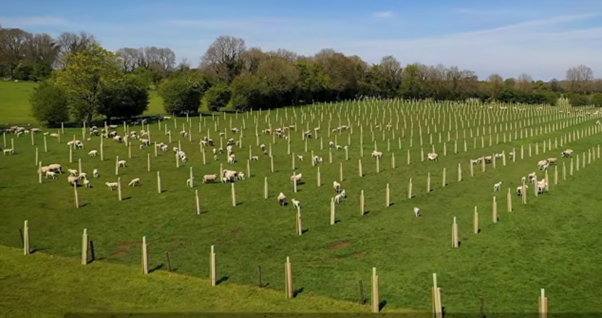
The integration of trees on the farm can offer attractive options in helping Irish farmers build more sustainable, resilient and environmentally efficient farming systems.
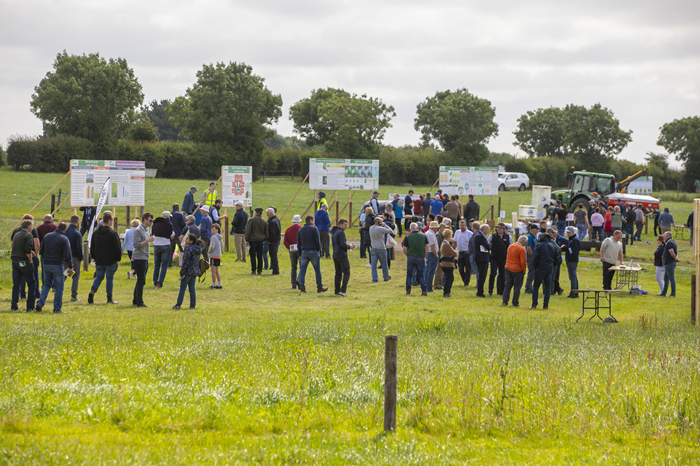
At Farming for a Better Future, taking place at Teagasc, Johnstown Castle, Co. Wexford on June 10, the Teagasc Forestry Development Department will showcase attractive forestry and woodland creation opportunities available under the Department of Agriculture, Food and the Marine’s (DAFM) Forestry Programme 2023–2027.
This engaging event will feature live demonstrations and practical examples showing how trees can successfully work alongside productive farming enterprises to enhance water quality, improve soil health, support biodiversity and strengthen long-term farm sustainability.
Visitors will have the opportunity to learn how agroforestry, a land use practice that brings together trees in combination with livestock or crops on the same land parcels, provides a dynamic approach to integrated farming. This novel farming system unlocks a wealth of ecological and economic benefits driven by the positive interaction between trees and agriculture.
See agroforestry and riparian planting in action
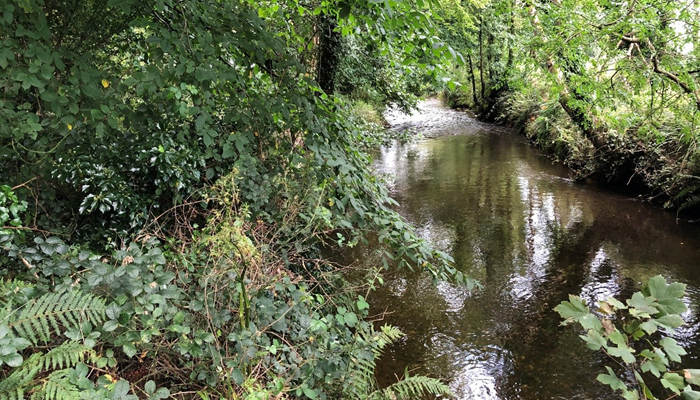
A highlight of the event will be demonstration areas featuring an agroforestry system under the Silvopasture option as well as a Native Woodland demo area, carefully planted alongside a watercourse to helping to protect and enhance water quality. On suitable locations, these measures can reduce nutrient and sediment runoff, stabilise riverbanks, improve aquatic habitats and contribute to healthier catchments while complementing productive farming systems.
In addition, there will be extensive information available on a broad range of woodland creation options suitable for different farm types, landscapes and environmental objectives.
Forestry supports designed for environmental improvement
The DAFM Forestry Programme 2023–2027 provides highly attractive financial supports for establishing a range of forest types with varying objectives, including protecting water quality and enhancing soil health.
One of the key initiatives available to farmers is the Native Tree Area (NTA) Scheme, which supports the creation of small native forests of up to one hectare on farmed land. The scheme includes two options:
- NTA 1 – supports the establishment of small native forests that enhance biodiversity, shelter and landscape value on the farm.
- NTA 2 – supports the creation of native woodland alongside streams, rivers and lakes in suitable locations to protect and improve water quality and aquatic habitats.
These native woodland areas can provide valuable environmental benefits while fitting seamlessly into existing farm enterprises.
Forests for water protection
Under the Afforestation Scheme, all Forestry Type options include measures designed to protect water quality, including setback distances from water bodies and guidance on appropriate drainage management.
A particularly important option is Forests for Water (Forest Type 2), which supports the creation of native forests in strategic locations where land use change can deliver significant ecosystem services for water and aquatic ecosystem protection. This option can also reinforce and expand valuable alluvial woodland habitats.
Planting under this scheme is guided by the Native Forest Framework, ensuring the most suitable native forest type is selected for each site and environmental condition.
Agroforestry – A practical and innovative farming system
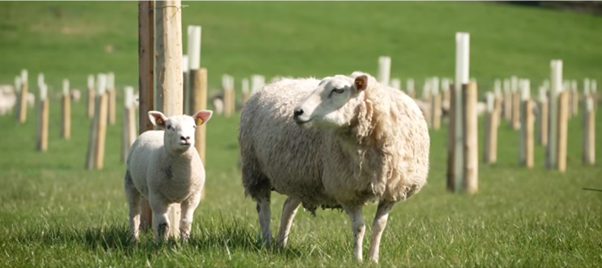
Agroforestry is gaining increasing attention as farmers seek systems that can improve both environmental and farm performance. By integrating trees into productive agricultural systems, farmers can achieve benefits including:
- Improved grass growth and shelter
- Enhanced soil health and nutrient capture
- Better water quality protection
- Increased biodiversity
- Improved land trafficability
- Enhanced animal welfare and comfort
The Afforestation Scheme currently supports three specific Agroforestry Forest Types:
- Silvopasture (Forest Type 8) – integrates trees with grassland, silage systems and livestock enterprises.
- Silvoarable – Pilot (Forest Type 13) – combines trees with cereal, fruit, or vegetable crops, typically planted in single or multiple tree rows.
- Forest Garden (Forest Type 14) – supports the development of diverse, low-maintenance food-producing systems combining fruit and nut trees, shrubs, herbs, vegetables and a forest overstorey.
Live demonstrations at the event will allow farmers to see first-hand how these systems can operate in practice and the many environmental and economic opportunities they can offer.
Expert advice available
Farmers interested in exploring forestry and agroforestry opportunities suitable for their land can access comprehensive decision-support services from Teagasc Forestry Advisors during the event. Advisors will be available to discuss the full range of woodland creation opportunities and help identify the most appropriate options to complement existing farm enterprises and environmental objectives.
Further information
For more information on forestry schemes and supports:
Visit the Teagasc Forestry webpage, or email: forestry@teagasc.ie
For further insights on the Farming for a Better Future Open Day, visit here.