
Don’t let mineral deficiencies cost you next calving season
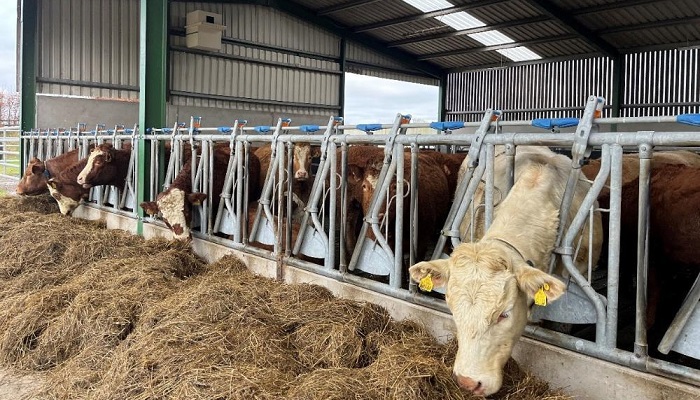
Securing a live, thriving calf and getting the cow back in calf quickly is a clear path for suckler farmers to maximise profit. With beef prices remaining strong, Manager of the Future Beef Programme, Martina Harrington looks at the value in pre-calving minerals, explaining why minerals are a non-negotiable this winter.
Given its importance, a new Teagasc Future Beef technical note provides a detail breakdown of mineral requirements; this small investment is one of the highest returning decisions you can make this winter for next spring.
Why minerals are non-negotiable
In the final trimester, the growing calf’s demands draw heavily on the cow’s mineral reserves. Deficiencies can lead to weak calves that struggle to suck, higher disease susceptibility and cows that are slow to go back in calf. Essentially, by ensuring the cow’s mineral status is met, you’re laying the foundation for the entire next production cycle in those last 60 days.
Minerals can be classified as macro minerals – the ‘big hitters’ – for calving and cow health, and trace elements – required in small amounts but have a big impact on calf vitality. Some key points on both are available below:
Macro minerals
- Magnesium (Mg)
- Crucial for preventing slow calving and reducing the risk of milk fever.
- Not stored in the body, so must be fed right up to calving.
- Needed again after calving where lush spring/autumn grass increases tetany risk.
- Phosphorus (P)
- Key for fertility and cycling.
- Low P causes silent heats, irregular oestrus, poor conception and pica (eating stones).
- If feeding straw, ensure the mineral contains >3% phosphorus.
- Sodium (Na)
- Vital for nutrient transfer and rumen function.
- Deficiency leads to poor milk yield, reduced fertility, and abnormal licking behaviour.
- Calcium (Ca)
- Essential for muscle function and prevention of milk fever.
- Do NOT feed calcium pre-calving – it prevents the cow from mobilising calcium from her bones later, increasing milk fever risk after calving.
Trace minerals
- Copper (Cu)
- Supports calf growth, immunity and cow fertility.
- Deficiency leads to small, weak calves, increased scours and poor cow performance.
- In high molybdenum, iron or sulphur areas, use copper in protected/chelated form.
- Selenium (Se)
- One of the few minerals that crosses the placenta.
- Key for muscle strength, calf vigour, and avoiding retained cleaning issues.
- Important to test silage to avoid toxicity in high-selenium soils.
- Iodine (I)
- Critical for calf vitality – deficiency causes weak, hairless calves that may not suck.
- Not stored in the body – cows must receive iodine continuously right up to calving.
- Cobalt, Zinc, Manganese
- Support immunity, calf growth, fertility and enzyme function.
- Low levels may reduce thrive and weaken the immune system.
- Vitamins A, D3 & E
- Vitamin A and E support immunity and help prevent weak or blind calves.
- Vitamin D3 is essential in calcium metabolism and prevention of milk fever.
Mineral supplementation – keep feeding simple
Most mineral-related calving problems come from underfeeding or feeding for too short a period, not from the mineral spec. Always strive to feed minerals correctly.
Teagasc recommendations:
- Feed a powdered mineral for at least 60 days pre-calving.
- Aim for 100–120 g/day per cow depending on mineral specification.
- Dust minerals across the full silage face so every cow can access them.
- All cows must be able to eat at the same time – this is essential for intake.
- A 25 kg bag feeds 35 cows for one week – monitor bag usage.
- Buckets can lead to very variable intake and cows may not consume enough.
Cost versus return – the bottom line
While the price per bag might seem high, the cost per cow is tiny. A 60-day feeding period with a €1,400/ton mineral costs just €8.40 per cow. Even if the mineral cost was €200/ton more, the cost per cow increases merely by €1.20/cow. One extra thriving calf easily covers the mineral cost for the entire herd.
Key message
Feed a quality powdered mineral, feed enough of it and feed it for long enough. It’s your cheapest insurance for a profitable calving season. Don’t let an €8 mineral supplement cost you a €2,000 weanling.
Martina Harrington is the Manager of the Teagasc Future Beef Programme, Teagasc’s flagship suckler demonstration farm programme.
To keep up to date with the happenings from the Teagasc Future Beef Programme, sign up to its monthly newsletter here.