
Dry weather taking its toll on Cork DairyBeef 500 farm
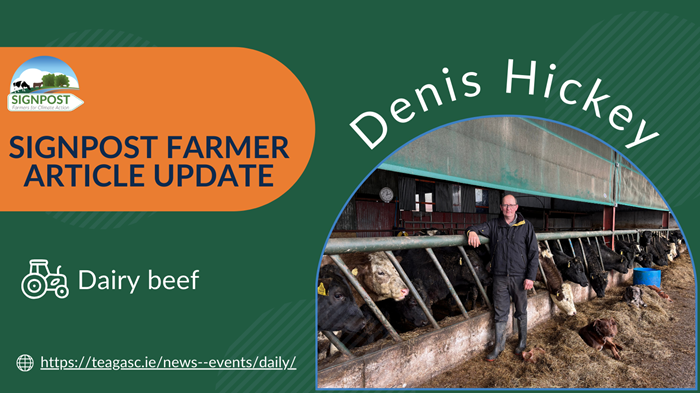
In this Signpost update, DairyBeef 500 participant, Denis Hickey shares how he’s managing through the extended dry spell, focused on keeping young stock performing despite the shortage of grass.
The last month has been quite challenging here on the farm. We have had no rain of any significance for the last five/six weeks. Grass growth has as good as stopped.
The farm is very dry, and the grass covers are more or less gone.
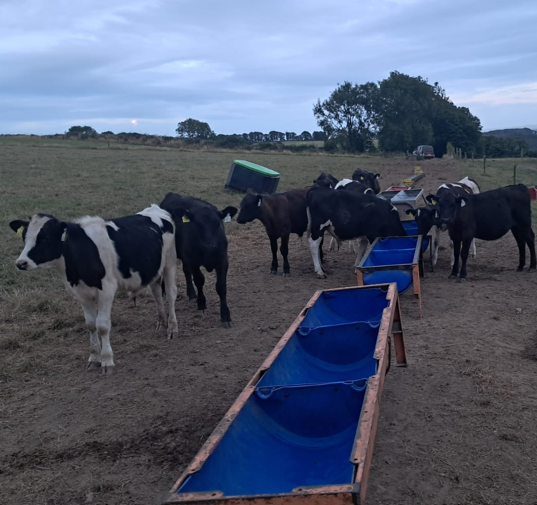
Currently, we are trying to keep the best of the grass for the calves, who are being fed 2kg+ of concentrates to keep them going. Calves are moved every three days to a different paddock, not necessarily for new grass but rather to ensure that grazed paddocks are not grazed too tight which might affect subsequent regrowth when the rain does eventually come.
Cattle performance and finishing plans
All this year’s calves were weighed on July 19th. Like other years, there is a huge range in weights from 110kg up to 211kg, with the group of 102 (bulls and heifers) averaging 165kg.
Overall, I am happy enough with how the calves are doing. They have done an average daily gain of 0.8kg per day from birth, with the top performers doing up to 1.1 kg per day.
Even though the birth dates of the calves are pretty close and they all received the same management since arriving on farm, it is amazing how quickly a big gap in weight and performance opens up! The good calves are flying, with a few lighter, weaker calves not doing as well.
The calves were dosed a number of weeks ago with a white drench. They are starting to cough again, so I will go in and give them another dose now to ensure to protect against lungworm.
The 45 heifers were weighed on July 13. They are currently averaging 473kg and have done very well since their last weighing having averaged 1.11kg of an average daily gain. The main purpose of this weighing was to see were they still thriving, but I have also decided to sell some live. With the current drought conditions here, I feel it is the right thing to do as, it will alleviate pressure on the grazing platform, giving grass a chance to respond when hopefully rain arrives in the near future. It is also a good boost to cashflow at this time of year when bills have to be paid.
There are 23 heifers over 480kg, and I will keep these to finish, they are a good weight for age. Currently, I have housed 14 of these, they are on silage and concentrates. I will build up to 6kg of concentrates and feed for approximately 60 days to finish around the end of September. This group will be gone before winter housing is required for the weanlings. The remaining nine of this group will be housed shortly if this drought continues!
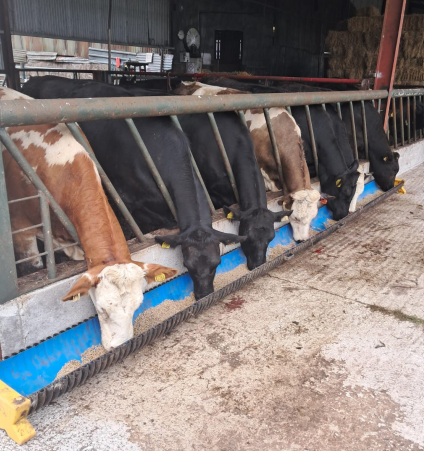
The other 22 heifers are between 420 and 478kg. There are also a lot of strong heifers in this group, and I will have to decide on which 10 – 12 I will sell live out of that group.
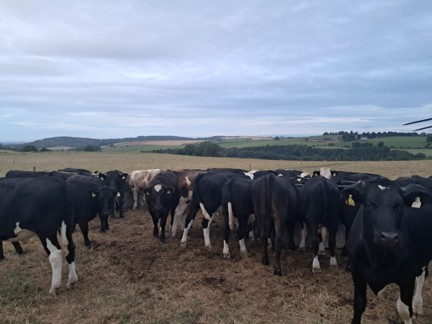
The steers were all weighed a month earlier on June 13. At that stage they too were averaging 473kg, having done an average daily gain of 1.15kg per day since their last weighing on April 18. There is quite a range within the group, with the lightest steer at 411kg and the heaviest at 537kg. All yearling steers and heifers that are still outdoors are getting silage in round feeders in the paddocks.
Regular weighing, managing grass and dealing with health issues all contribute to good thrive and reducing the finishing age of these animals. The sooner they are finished the less greenhouse gas emissions associated with them.
Pausing fertiliser plans
With conditions so dry and grass growth so low I have not spread any fertiliser for the last number of weeks. Fertiliser is in the yard and ready to go once we get some bit of moisture back and growth is ready to start.
I also have slurry to spread but will hold off on spreading it for a while as with the very dry weather I don’t want it to cake on the grass.
The grass reseed sown on May 26 established very well and was sprayed with Pro Clova to hit seedling docks and other weeds early, while protecting the clover. It has also been grazed, initially with the calves. I also had to bring in a group of heifers to help them clean it out well as the cover was starting to get too strong for the calves.
It could now do with a good day’s rain to get it going again. A number of thistles have established in the reseed especially around the headlands and I will have to try and deal with these before they get to firmly established.
The above first appeared in the Farming Examiner as part of a Signpost Programme update.
For more on the Teagasc Signpost Programme, visit here.
For more on the Teagasc DairyBeef 500 Programme, visit here.