
Embryo transfer in suckler herds

Embryo transfer (ET) has become an increasingly important breeding tool within the Irish beef industry, writes Future Beef Programme Advisor, Aisling Molloy, offering progressive farmers an opportunity to accelerate genetic gain and multiply the influence of elite females.
In a competitive sector where carcass weight, conformation, fertility and maternal performance directly affect profitability, ET provides a practical method of expanding superior bloodlines while maintaining herd health and biosecurity standards.
What is Embryo Transfer?
Embryo transfer is a reproductive technology whereby embryos are produced from a genetically elite donor cow or heifer and transferred into synchronised recipient cows or heifers (surrogates). The recipients carry the pregnancy to term, allowing the donor female to produce multiple offspring in a single year rather than just one calf.
Embryos are collected seven days after insemination and can be transferred fresh on the same day or frozen for later use, storage or export. This flexibility enables breeders to plan matings strategically and respond to market opportunities.
Why is ET Used?
The primary driver behind ET in Irish beef systems is rapid genetic multiplication. Where a herd contains a small number of high-index beef dams or rare bloodlines, ET allows those genetics to be expanded quickly and efficiently. It is particularly useful when there is a defined plan for the progeny – whether for pedigree sale, commercial beef production, breeding replacement heifers or producing a future stock bull.
Rather than waiting several years to build numbers from one cow line, ET can deliver multiple calves from a single donor in one breeding season.
How Are Embryos Produced?
There are two principal methods used in Ireland: Multiple Ovulation Embryo Transfer (MOET) and in vitro fertilisation (IVF).
Multiple Ovulation Embryo Transfer (MOET)
MOET involves hormonally stimulating a donor to produce multiple eggs in one cycle.
First, a suitable donor is selected. She must be healthy, cycling regularly, in appropriate body condition and free from infectious disease. Donors are synchronised and enrolled in a superovulation protocol.
Following the stimulation phase, the donor is inseminated – usually by AI – at the onset of standing heat. Conventional or sexed semen may be used, though sexed semen generally results in a lower embryo yield.
Approximately seven days after insemination, embryos are collected non-surgically by uterine flushing under veterinary supervision. The flush fluid is examined, and embryos are recovered and washed according to International Embryo Transfer Society (IETS) standards, particularly where trade is involved. Embryos are graded based on quality.
On average, five to six transferable embryos are produced per collection, though results vary widely – from zero to more than twenty. Responsive donors can be flushed every 40–60 days.
Embryos are either transferred fresh into synchronised recipients that day or frozen for storage and future use.
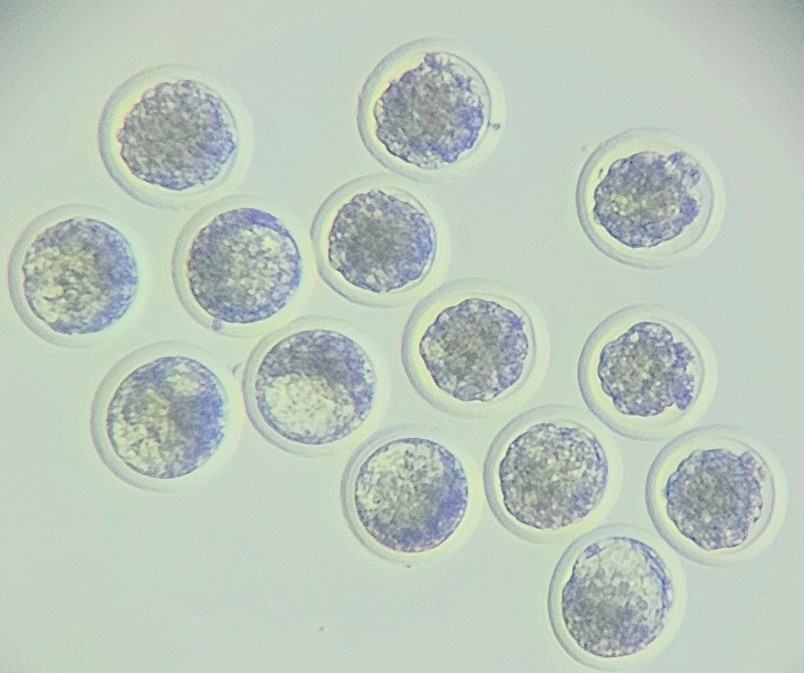
Figure 1: Grade 1 embryos (photo courtesy of Dáire Markham)
In Vitro Fertilisation (IVF)
IVF offers an alternative approach and differs significantly from MOET.
After selecting a suitable donor, little or no follicle stimulation is typically used, though low doses of FSH or eCG may be administered beforehand. The donor is scanned to assess eligible follicles.
On collection day, oocytes (eggs) are aspirated from the ovaries and placed in a warm protective solution. Typically, 10–25 oocytes are retrieved per session, and collections can occur every two to three weeks.
In the laboratory, oocytes are examined and graded. Grade 1 and 2 oocytes are matured in nutrient media containing hormones at 38.5°C in controlled CO₂ conditions for 20–24 hours. Frozen-thawed semen is prepared, and only highly motile, morphologically normal sperm are selected. Fertilisation takes place in vitro using far fewer sperm than conventional AI.
The resulting embryos are cultured for seven days, developing through cleavage stages to the blastocyst stage. On day seven, embryos are graded according to IETS standards. Typically, three to six transferable embryos are produced per IVF session. These may be transferred fresh or frozen.
While IVF allows more frequent collections, MOET generally produces higher conception rates and often a greater number of transferable embryos per flush.
Selecting Suitable Animals
The success of ET programmes depends heavily on careful selection.
Ideal donors should have high genetic merit for target traits such as carcass weight, conformation, growth rate, fertility, temperament and maternal ability. Proven fertility is essential – animals with repeated fertility issues are poor candidates. Donors should be in appropriate body condition, up to date with vaccinations and managed for notifiable diseases such as IBR and bluetongue where trade is involved. Mature heifers and cows typically respond best, while very young or older animals may be less predictable.
Recipients must be healthy, fertile, cycling animals with no history of calving difficulty. Synchronisation protocols using prostaglandin and progesterone devices ensure the recipient’s reproductive stage matches the embryo. Strong biosecurity is critical, particularly where embryos are traded or frozen.
Expected Conception Rates
Conception rates depend on embryo quality, method and management.
Frozen Grade 1 embryos typically achieve around 50% conception. Fresh embryos generally deliver conception rates approximately 10% higher than frozen. In practice, MOET embryos often perform better than IVF-derived embryos under commercial conditions.
Attention to recipient management, nutrition and timing is key to achieving optimal results.
Costs of ET in Ireland
There is no single national price list for embryo transfer in Ireland, as costs vary depending on provider, travel, drugs, method used and whether embryos are frozen or stored.
Typical starting costs include:
- Superovulation per donor cycle: €300–€350
- Collection/flushing fee: approximately €300
- Embryo freezing and storage: around €35 per embryo
- Embryo transfer per recipient: typically over €80 per transfer (plus 13.5% VAT on services)
These figures exclude recipient synchronisation costs, health testing, pre-scanning and feed. Early engagement with experienced service providers is advisable to design an appropriate programme and clarify total costs.
Regulations, Biosecurity and Trade
Embryos intended for export or import must be handled and labelled according to IETS standards and comply with Department of Agriculture, Food and the Marine (DAFM) regulations. Licensed centres and experienced veterinarians should be used for export certification.
Maintaining vaccination records, screening donor herds for notifiable diseases and using certified recipients reduces the risk of trade rejection and protects herd health. All hormonal treatments and drugs used in ET programmes are veterinary prescription-only medicines.
Conclusion
Embryo transfer is a powerful tool for Irish beef producers seeking accelerated genetic progress. While it requires careful planning, financial investment and strong management, ET offers significant potential to multiply elite genetics, improve herd performance and enhance long-term profitability when used strategically within a clear breeding plan.
Aisling Molloy is an advisor on the Teagasc Future Beef Programme.
Featured image caption: Goldstar Echo donor dam x Major sire (photo courtesy of Dáire Markham)