
28 March 2023
Establishing clover this year?
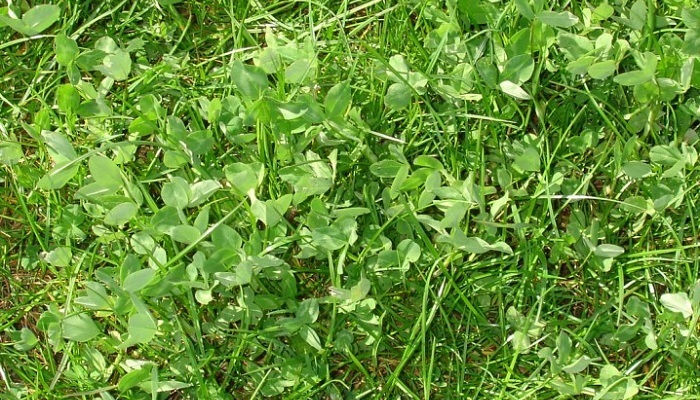
With price variability continuing to exist in the artificial fertiliser market as we approach the second quarter of 2023, the inclusion of clover in grazing and silage swards may be an option to reduce the dependence on chemical nitrogen applications on some farms.
High fertiliser prices from the final quarter of 2021, throughout 2022 and into early 2023 have put a focus on the ability of clover to fix atmospheric nitrogen (N) for grazing and silage swards. Nitrogen fixation is the process whereby clover can fix N from the atmosphere and make it available for plant growth. This N is then available for uptake by white clover and other plants, mainly perennial ryegrass, in the sward.
The benefits of white clover tend to occur from May onwards as sward white clover content increases. The main benefits of white clover inclusion in grass swards are: increased herbage quality compared to grass-only swards in the summer months; increased dry matter (DM) intake in summer and autumn; higher milk production and liveweight gain; nitrogen fixation; and a lower requirement for N fertiliser in summer.
To highlight the beneficial role that clover can play, a series of 13 farm walks will take place across the country in April. The series of walks commence on April 3rd in Co. Cork. Further walks will take place throughout the month on both commercial and research units. At these events, the Teagasc Grass10 and Clover150 team, along with Teagasc grassland researchers, will discuss the establishment and management of white and red clover and fertiliser application strategies to maintain clover and pasture production.
Click here for dates and locations of the Clover Farm Walks.
Also read: Mike’s clover road