
Ewe Pre-Breeding Checks
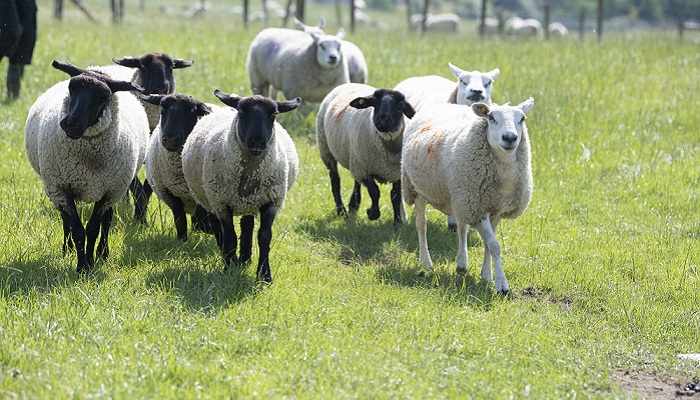
Ewe productivity has a major impact on profitability. Two ways to increase output are use of prolific breeds and to improve ewe weight and condition ahead of breeding, Eamonn Dempsey, Teagasc Advisor in Tralee, shares advice on getting your ewe flock in shape before breeding.
Once a lambing review of the previous breeding and lambing season is carried out, the farmer will know the overall breeding performance of the flock, and if changes need to be made to the breeding policy.
Before the breeding season starts, it is important to have a defined breeding policy to ensure enough ewes are mated to either replacement or terminal rams.
To ensure a productive flock of ewes, the best time to assess your flock health is after weaning. Ideally, ewes should be handled 10 weeks pre-mating and rigorously culled for lameness, poor teeth condition, old age, diseases, udder and reproduction problems.
It is important not to make exceptions in your culling policy to avoid carrying passengers into the new production year.
Body condition scoring
Body condition scoring is a subjective method of assessing the condition of a sheep on a scale of one to five by handling the sheep along the top and side of the backbone in the loin area.
Generally, the better the body condition score at mating the higher the ovulation rate and therefore the higher the potential lambing crop.
Once you have selected a healthy ewe for breeding, aim to improve ewe weight and condition to reach the target body condition score at mating, which is 3.5 for lowland ewes and 3.0 for hill ewes.
Feed management
Each unit change in condition score accounts for approximately 12% – 15% of the ewe’s body weight. Therefore, it is important to remember that it takes six to eight weeks of good feed for ewes to gain one body condition point.
Thin ewes with a condition score of 2 – 2.75 should be fed better pastures of 6 – 8 cm to gain condition. Ewes that get preferential treatment for 8 -10 weeks but fail to gain condition should be culled.
Managing health
Lame sheep should be separated from the flock and put into a different paddock and foot bathed every five days until they are cured and then returned to the main flock.
If the number of ewes that aborted, including ewes that failed to lamb, is greater than 2% an infection problem is likely.
It is important that the cause of abortion was identified by sending samples to the laboratory for analysis.
Once the cause of abortion is known, a preventative approach must be taken in advance of the next breeding season, and one way of doing this is through vaccination.
Contact your veterinary surgeon to discuss a vaccination programme for protection against Enzootic and Toxoplasmosis abortion. Bought in ewes or replacement ewe lambs should be quarantined and kept in a separate flock to contain the risk of infection. Once the breeding season has begun, ensure leafy grass is available and monitor flock health daily.
Selecting ewe lambs
If breeding your own ewe lambs, select well grown replacements that weigh at least 45 kgs at joining the ram. It is recommended that ewe lambs should be mated 1- 2 weeks after the main flock and that the joining period should last no longer than the main flock to provide an opportunity for cross fostering lambs in spring.