
07 June 2025
Exploring Farm Diversification: Rural Skills
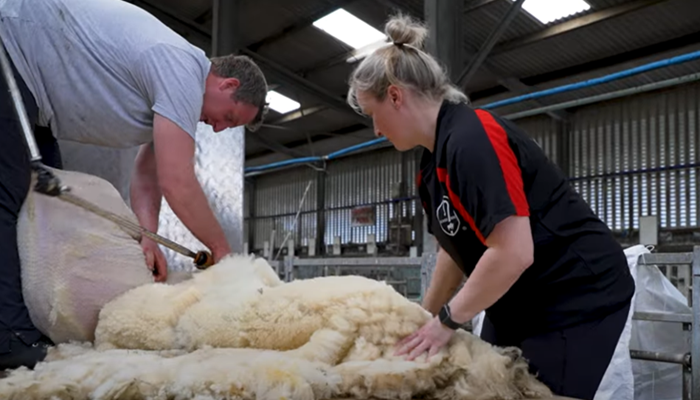
Why not consider running courses on your farm? Barry Caslin, Energy & Rural Development Specialist, explores how running rural skills training courses can be a viable and rewarding diversification option for farmers.
As a farmer, many of the niche skills you use on a daily basis are in high demand. Hands-on skills are impossible to learn solely from books, and are far more successfully learnt in a hands-on environment.
From animal husbandry, animal basics and lambing, to shearing, hedge-laying and dry stone-walling, there are a huge range of courses you could offer to new entrants, smallholders, young farmers and school children.
This kind of initiative not only generates additional income but also utilises the farmers’ expertise and resources to educate and train individuals interested in various aspects of agriculture and rural life.
How it can be implemented
Identify Areas of Expertise
Farmers often possess a wealth of knowledge and skills in various agricultural practices, animal husbandry, horticulture, land management, sustainable farming, and more. Identifying specific areas of expertise that align with the farmer’s knowledge-base is essential.
Develop Course Curriculum
Design comprehensive training courses based on identified rural These courses can cater to a diverse audience, including aspiring farmers, hobbyists, individuals interested in self-sufficiency, or those seeking knowledge in specific agricultural techniques.
Infrastructure and Facilities
Assess existing farm infrastructure and facilities that can be utilised for training purposes. This may include classroom spaces, demonstration areas, farm buildings, agricultural machinery, or dedicated training zones.
Qualified Instructors and Resource
Employ qualified instructors, which may include the farmer themselves or other experts in the field. Gather resources such as training materials, tools, equipment, and teaching aids necessary for effective training sessions.
Course Offerings
Offer a range of courses that could cover topics such as organic farming practices, livestock management, crop cultivation techniques, beekeeping, agricultural machinery operation, rural crafts, and more.
Marketing and Promotion
Develop a marketing strategy to promote the training courses. Utilise various channels such as social media, local community networks, agricultural organisations, and online platforms to reach potential participants.
Legal and Administrative Considerations
Ensure compliance with regulations, obtain necessary permits or certifications required for running training courses, and establish clear administrative processes for registration, payments, and record-keeping.
Networking and Collaborations
Collaborate with local educational institutions, agricultural associations, or government programs to enhance credibility, attract participants, and expand the reach of the training courses.
Feedback and Improvement
Gather feedback from participants to continuously improve the quality and relevance of the courses. Adapt the curriculum based on the changing needs and demands of the audience.
Read the full publication: Branching Out – A Guide to Farm Diversification in Ireland
Explore our Rural Development information series as well as available support for farmers