
19 July 2023
Farm Safety week – Livestock handling
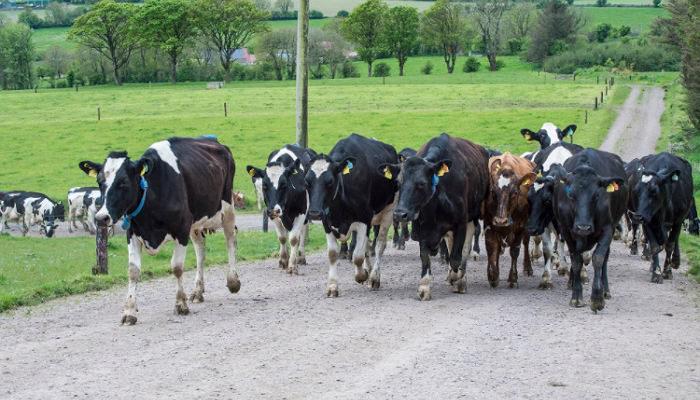
The Farm Safety week focus for Wednesday is livestock handling. With cattle out grazing it is an important time to think about how interactions with your cattle can be planned and managed carefully to avoid risk. Francis Bligh tells us how we can stay safe while handling livestock
Planning tasks
Time spent planning reduces risk. Think about the type of clothing and footwear required for the weather and the tasks to be done. Always carry a mobile phone as it will provide a means of easily seeking help when needed.
Materials (dosing gun and products) needed for tasks should be organised and calibrated before animals are brought in. Think about the product options before purchase with safety in mind. Reducing the time animals remain in the pen will reduce their stress levels and help you to get through the task more easily. When tasks are demanding is important to make the decision to get help.
Field gates and fences
Field gates and fencing should be in a good state of repair. It should be possible to move cattle around the farm and into sheds and holding pens in a calm and relaxed fashion. This is an ideal time of the year to do some work on maintaining fences and gates.
Tidy Farmyard
When animals are moving around the farmyard or through pens it is important that these areas are tidy and clean. Make sure any damaged gates and pillars are repaired or replaced. Items like feeders and troughs should be stored safely away from cattle pens and main routes. Do not rush as slips, trips and falls are very common when moving livestock.
HUman Animal Relationship (HAR)
It is important for cattle to be familiar with humans. This can be achieved by walking through the herd calmly and making low level sounds only. Shouting, banging or hitting animals will cause animals to become nervous of humans and react in dangerous ways.
Watch: Managing Farm Safety and Health Video Series – Livestock Safety
Animal handling
When groups of animals need to be brought in for husbandry tasks it is important to check facilities first. They must be secure and appropriately sized for the number and type of animals. There should be pens available to reduce the number of animals into more manageable groups. The working side of the race area should be free of animals when working on animals in the race. It is important to have an escape route planned.
Watch: Managing Farm Safety and Health Video Series – Livestock Handling
TAMS 3 Grants
The DAFM provide grant aid under the TAMS 3 scheme for investments which include livestock handling equipment. The rate of grant aid available for farm safety eligible items is 60%. Grant aided safety items include mobile handling equipment, fixed cattle handling units, cattle crushes, penning, backing gates, head gates, and head scoops. For more information contact your local Teagasc adviser or read more about TAMS 3 eligible items, reference costs and grant rates
Artificial insemination
It is important that appropriate handling facilities are present to pen and restrain animals. Mobile cattle handling equipment can be very helpful for this task especially on out farms.
Watch: mobile cattle handling units
Working with bulls
When selecting a bull always think about the docility of the bull himself and docility of his offspring. Use Irish Cattle Breeding Federation (ICBF) docility values to help with this.
“Beware of Bull” Warning signs should be placed at the entrance to fields. Always keep a safe distance and if a bull displays signs of aggression remove them from the herd. .
Cows Calving
Autumn calving herds will soon get very busy. Always take time to identify the temperament of the cow/heifer before assisting. Calving gates help by providing a physical barrier to protect you. Make sure there is one available and easily accessible.
Further information
Teagasc videos on Safety with Livestock are listed below
H.S.A publications on Livestock Safety