
11 January 2023
Focus turns to sourcing on Dairybeef 500 farms
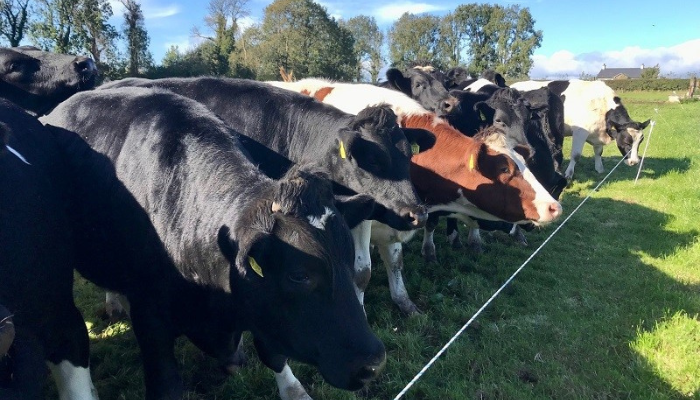
With Christmas having come and gone and with the New Year upon the start of the spring calf rearing cycle is just around the Dairybeef 500 participants.
Buying the right calf at an appropriate price, optimising nutrition and health, along with limiting disease pressure, are critical to the overall level of performance and profitability achievable from calf to beef systems. In recent years Dairybeef 500 participant farmers have made continued improvements in there calf sourcing policy. At this stage the majority of Dairybeef 500 participants are purchasing calves direct dairy farmers whom they have built up relationships in recent years as they aim to try and keep the number of farms they are sourcing calves at to a minimum to try and minimise any potential disease outbreak. When sourcing calf’s information on the herd’s health, vaccination programme, any current or previous disease issues as well as the feed management to ensure calves received adequate levels of colostrum and the general hygiene on the farm are all important areas to assess before any decision on purchasing the calf is made.
Thorough examination of the calf prior to purchase is important to ensure calves are healthy. Calves should be alert with a clean, damp nose and bright eyes. Any calves with visible signs of disease such as diarrhoea, discharge (mouth/eyes/nose), deformity, disability, injury or blindness should be avoided as should any calves from the farm. Younger calves under 3 weeks of age should be avoided as they are more vulnerable to disease.
Calf genetic makeup and performance potential is another key area Dairybeef 500 farmers are looking at when sourcing their calves. A useful tool to assist them in their decisions is the Commercial Beef Value (CBV) which was launched by the Irish Cattle Breeding Federation in late 2021. The CBV comprises five traits from the Terminal Index that are important to farmers that are rearing stock that are destined to be slaughtered. The CBV of each animal will be based on the genetics of their parents, therefore farmers buying calves should ensure both sire and dam of the calf is recorded. The five traits are Carcass weight, Carcass conformation, Carcass fat, Docility and Feed intake. When used as a selection tool for identifying high merit animals at purchasing, it may allow for the identification of faster growing, better shaped, more feed efficient and more docile animals. Farmers purchasing animals for beef production should request information on the CBV. It is available through the profile section of the ICBF Herdplus account and it is planned to be included on mart boards in the future.
CBV values, expressed as a euro value, will be generated for all cattle that are likely to be finished, including male and female (non-pedigree) stock bred from beef cows, dairy-bred male and female calves sired by a beef bull and male calves sired by a dairy bull, provided a sire is recorded. Animals are assigned to one of three different breed types under the CBV, which is dependent on sire and dam breed. These are: beef x beef; beef x dairy; and dairy x dairy. Similar to the Terminal and Replacement Index, animals are assigned a star rating of one to five, with a five star animal being in the top 20% of the national population within that breed type, whereas a one star animal is within the bottom 20%.
Teagasc Beef Specialists issue an article on a topic of interest to suckler & cattle farmers every Wednesday here on Teagasc Daily