
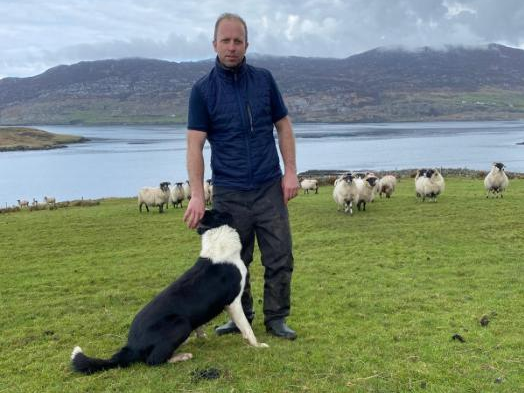
Tomas O’Toole, BETTER Farm Sheep and Signpost Programmes, brings us up to date with the latest happenings from his farm in Clifden, Co. Galway, August’s focus centres on fodder budgeting, lamb sales and preparing for the upcoming breeding season.
Fodder budgeting – quantity and quality
As we move into August, I have been thinking of the autumn ahead and some of the jobs that have to be done. I have all silage now saved on the farm, with around 190 bales made (and 10 left over from last year).
It is important to check fodder stocks this time of year to forward plan for the winter. The latest results from the Teagasc National Fodder Survey show that nationally 90% of farms expect to have enough feed in place for the winter ahead, but 5% of farms expect to face fodder deficits of 20% or greater.
Growing animals require silage quality of at least 70 dry matter digestibility (DMD) to support performance. I will be testing the quality of silage cut on the farm in the autumn so that I can use the highest DMD silage for breeding stock on the farm. I always analyse silage before winter to determine the quality as this can have an impact on performance of animals and also the cost of overwintering stock.
Lamb drafting and replacements
I am currently drafting lambs and selling them as stores. I’m also currently picking out replacement lambs I will keep on for breeding. I use the BETTER farm data that I have collected since lambing time to pick out replacements.
Some of these lambs are identified at birth using information such as were they born without assistance, were they vigorous and up sucking quickly and did the mother have lots of milk and good mothering ability. I also look at data such as growth rates at different stages and performance data. All this information helps me to choose the best replacements going forward.
Breeding preparations
I am also culling ewes which have not performed in the last year. I identify ewes for culling at lambing time with a red tag. Some of the reasons may be udder health, poor mothering ability, broken mouths, lameness, or poor body condition. Overall, this should help improve the flock performance going forward.
The rams are also being checked now for any potential health issues. It is important that rams are at a good body condition before breeding as they can lose up to 15% of their body condition during the mating season. I also check for signs of lameness and check their reproductive organs for any signs of infection or damage. August is a good time to do these checks on stock and to also forward plan for the winter ahead.
Away from the farm
Off farm, my daughter Keris-Mae (picture below) has qualified for Class 84 at the Dublin Horse Show which is a Combined Training competition, which includes both a dressage test and a show jumping round.
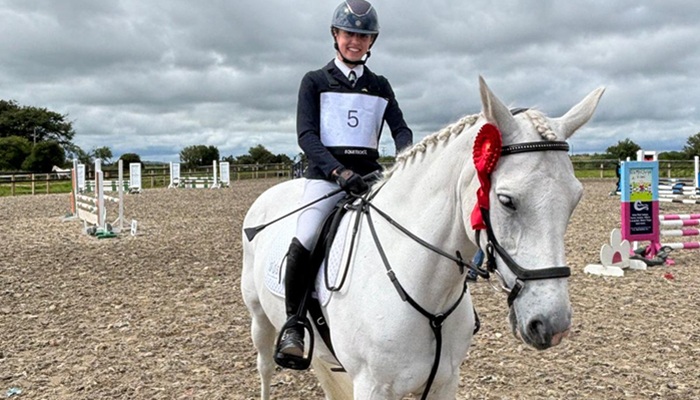
She has also qualified for the Clifden show High Performance class which is taking place from 19th – 22nd August. The Clifden Connemara Pony show is celebrating its 100th year and should be an enjoyable week.
Tomas O’Toole is a demonstration farmer as part of the Teagasc Better Farm Sheep Programme and the Teagasc Signpost Programme.
The above article first appeared in the Farming Examiner as part of a Signpost Programme update.