
Generational renewal a critical challenge across the EU
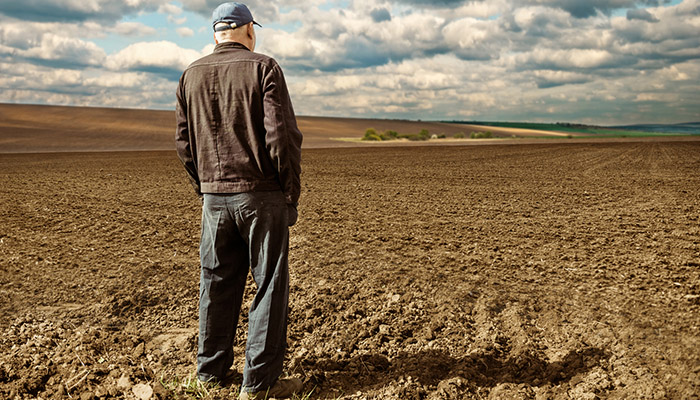
Across the EU, the average age of farmers is now 57, with data from the most recent census of agriculture indicating that 33% of EU farmers are aged over 65.
That was one of the many key messages delivered by Dr. Emma Dillon, Senior Research Officer and Economist with the Teagasc National Farm Survey, who addressed the recent Teagasc webinar: ‘Generational Renewal in Action: Real Farm Stories and Practical Solutions’.
“Generational renewal has emerged as a critical challenge for European agriculture and is a key focus area for the next Common Agricultural Policy (CAP),” Dr. Dillon explained, adding: “This reflects a rapidly aging farm population and persistent barriers to entry for new and young farmers.”
On the webinar held as part of Teagasc Generational Renewal Week 2026, Dr. Dillon also noted that the situation in Ireland is largely in line with the EU average: “Data from the National Farm Survey indicates that the average farmer age in Ireland is now 59, with slight differences across farm systems.”
Despite an ageing farming population, Dr. Dillon noted that many farms have no succession plan in place and older farmers remain in key decision-making roles.
“This demographic imbalance threatens the future of Irish farming and the sector’s capacity to maintain productivity and competitiveness, ensure innovation uptake, support rural vitality, and meet binding climate targets.
“Much research supports the broad idea that generational renewal can improve the sustainability of farming. Younger farmers are more likely to adopt new technologies, invest in infrastructure, and pursue growth-oriented strategies,” Dr. Dillon added, noting that generational renewal should be thought as a process rather than a single event.
“The identification of a successor has been shown to influence farm investment decisions well before formal succession occurs. Working together, older generations contribute valuable knowledge and experience, while younger farmers can bring fresh perspectives and technical expertise,” Dr. Dillon noted.
Despite the existing supports – including targeted schemes, collaborative farming incentives and attractive tax rates – Dr. Dillon added that generational renewal challenges persist and overcoming these is a central focus on the Commission on Generational Renewal, a collective established by the Department of Agriculture, Food and the Marine to explore the legal, economic, social and administrative factors contributing to the current age demographics in the sector.
For more information, watch the full webinar: ‘Generational Renewal in Action: Real Farm Stories and Practical Solutions’ below, which also featured contributions from Ruth Fennell, James McDonnell and Klara McGriskin, Teagasc along with drystock farmers John and Joe Atkinson and dairy farmers, Lar and Lauren Kinsella: