
Getting grazing back on track
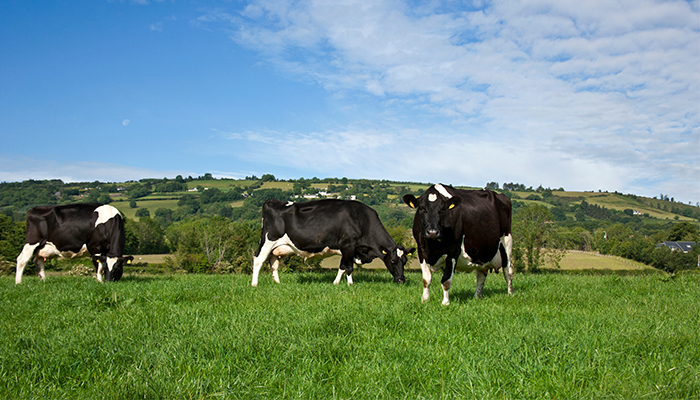
With grazing delayed on many farmers, Grass10 Programme Advisor, Nikki Kennedy shares key tips for getting grazing back on track.
Whilst 2026 has not had the start anyone would hope for, there is still a long time in the grazing season to go. There are plenty of actions farmers across the country can take to get back on track.
As we move further on in the season, conditions can improve much faster than we expect as days lengthen and temperatures rise. Consequently, it is important that farmers use a ‘heads up’ approach to grazing and go looking for opportunities to graze.
Taking these opportunities come with many wins: taking pressure off the supply of quality silage, increasing animal milking performance, reducing cost of production and easing workload in the yard.
Understandably, grazing is behind target grazing on most farms. As the weather picks up, a measured approach to grazing the first rotation will be necessary to ensure adequate grass supply for the second rotation.
Historical growth rates suggest that the first rotation will need to be planned out for 40-45 days to allow for the first grazed paddocks to have adequate grass (1100 KG DM/ha min) to start the second rotation.
As soon as possible, farmers should:
- Walk their farms to establish the level of grass available
- Identify the paddocks that are suitable to start grazing in
- Driest fields
- Multiple access points
- ‘Medium’ covers approximately 800-1100kg DM/ha to encourage good graze outs and retain quality when graze outs aren’t achieved
- Avoid long narrow paddocks where stock will walk a lot of grass into the ground
- Complete a Spring Budget or Spring Rotation Plan on PastureBase Ireland
There are tutorials available on how to complete these. Adjust covers and dates to suit your own farm.
For guidance on the Spring Rotation Planner, watch the below video:
For guidance on completing a Spring Budget, watch the below video:
A rough guide would be to graze 30% by the middle of March, a further 30% by the end of March and the final 40% by April 15th for drier farms. ‘Heavy’ land may adjust these dates by 10-14 days.
These might seem like high targets to hit but remember the number of animals ready to graze is much higher than when we start grazing earlier in the season.
Nikki Kennedy is an advisor on the Teagasc Grass10 Campaign.