
19 March 2025
Getting the calf rearing basics right
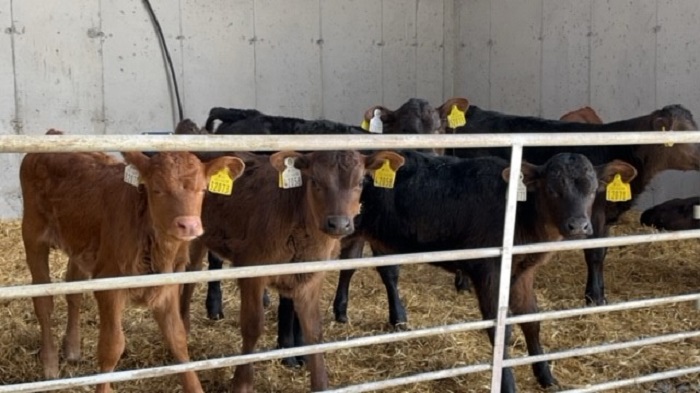
The increased price of restocking farms this spring may entice more farmers to look at rearing calves. For farmers contemplating such a move, Drystock Advisor in Teagasc Mullingar, Stephen O’Callaghan provides a refresher on the basics of calf rearing.
Calf health
Calf health is an important factor to consider and the old proverb rings true: ‘A good start is half the battle’. We need our calves thriving from the off in order to meet weight for age targets.
Calf health is strongly influenced by management, particularly during the first six weeks of life, and there are several key factors to consider to ensure optimum calf health.
Housing
We want to reduce the amount of germs that calves are exposed to. This is influenced by the housing facilities and stocking rate. The main qualities essential for calf housing are that the shed has good ventilation, is draught free, warm, dry, clean and cleanable.
Clean dry bedding is fundamental, as calves should have enough straw to create a small nest for themselves. A good way of testing if re-bedding is required is if you put a knee down in the calf pen would it get wet? If the answer is yes, then the bedding isn’t up to scratch.
It is important that calves have sufficient space in the pen, you should give them an allowance of at least 2m2 per calf. You should also try to group calves according to age, size, and in groups of no more than 10.
Biosecurity is another important concept to consider on farms. Diseases can transfer to and from the farm on people, footwear, and equipment. Take measures such as disinfection and foot dips to minimise the risk of disease transfer to and from the farm at all times.
Nutrition
The first few weeks of the calf’s life has a huge effect on performance for the rest of the year.
Feed efficiency, the ability of an animal to convert feed to growth, is at its highest during the milk feeding period. Feeding a high quality milk replacer, feeding the right amount, and introducing crunch early are fundamentals. Calves should be getting at least 6 litres of milk replacer per day, mixed at a concentration of 125grams/litre. The water should be between 37-39 degrees at mixing. A few key components to watch out for when purchasing milk replacer are: minimum of 23% protein; less than 7.5% ash; and a minimum 0.8% Calcium
Water is extremely important for rumen development in young calves and helps to drive daily weight gain. A fresh and clean supply should be made available to calves at all times.
Straw and an 18% palatable calf crunch should be made available to calves and kept fresh. Coarse rations are more palatable and will help stimulate rumen development better than pelleted rations.
Bloat
We want to avoid the occurrence of bloat in young calves as it can prove fatal. Bloat is the excess fermentation of milk replacer or whole milk in the stomach of the calf. It is caused by inconsistent feeding (time and concentration of feed), low water intake, and poor equipment hygiene, along with some other factors.
Purchasing calves
If you are purchasing dairy-bred calves, try to minimise the amount of herds you are buying from as this will lower the risk of bringing disease onto your farm. You should try to get calves from a known source, where the health status, colostrum feeding protocol, cow type, and sire are known to you. Avoid mixing calves of different ages.
Vaccination
You should consult your vet and put a vaccination regimen in place for your farm. Vaccination will help to reduce health problems and associated dips in animal performance, however they will not make up for poor management.
Sick calves should be removed to an isolation pen for treatment to avoid the spread of disease. In event of a disease outbreak, engage with your vet and get a proper diagnosis as early and effective treatment are essential.
More from Teagasc Daily: Rearing dairy-beef calves this spring – have you done your sums?
More from Teagasc Daily: DairyBeef 500 tips on calf sourcing