
Getting ventilation right in cattle housing
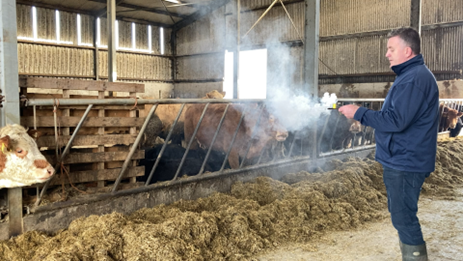
Good ventilation is essential in cattle housing, serving to remove moisture, heat, dust, pathogens and harmful gases such as ammonia.
With winter housing fast approaching, the Teagasc Future Beef team has previously prepared a useful factsheet, helping farmers assess the ventilation in cattle housing and providing guidance on how to improve ventilation in existing sheds.
According to the Teagasc Future Beef team, poor ventilation can increase the risk of respiratory disease, particularly in young calves and weanlings. It can also contribute to condensation, damp bedding, wet coats, mould and poor air quality.
The team behind Teagasc’s flagship suckler beef programme is encouraging farmers to check their cattle sheds for warning signs, pointing to variables such as condensation on the roof or walls, mould, damp bedding, strong or stale odours and cattle with wet or dirty coats being telltale signs of a ventilation issue.
Shed design plays an important role in airflow, with ventilation affected by factors including inlet and outlet areas, eave height, ridge height, roof pitch, shed width and surrounding buildings, trees or hedges.
Ideally, air inlets should be approximately twice the size of the outlet, while continuous openings along the eaves can help ensure more even airflow throughout the shed. A continuous open ridge allows warm, moist air to escape, with a roof pitch of approximately 12-15° or greater helping to encourage the natural upward movement of warm air.
Ventilation should also be tested before housing cattle. Carrying out a smoke test in calm conditions can help identify areas of stagnant air or excessive draughts. Existing beef cattle sheds can often be improved by increasing side inlets, improving ridge outlets or removing obstructions around the building.
For more tips on ventilation, read the Future Beef Factsheet here (PDF).