
Giving piglets the best start
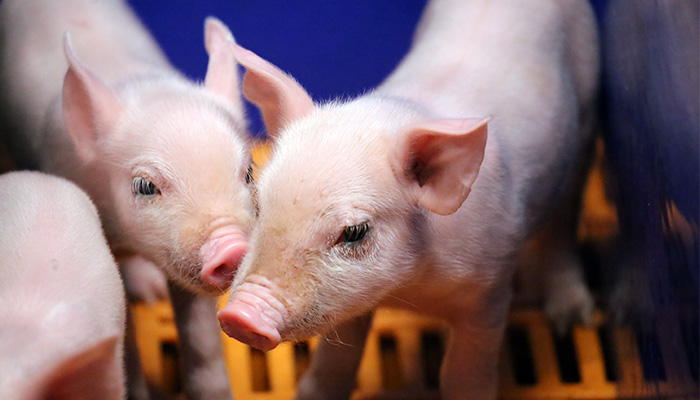
Effective newborn piglet care can improve farm efficiency and reduce avoidable pig losses. Melissa Cupido tells us more.
When a piglet is lost, the cost to the farm is more than the value of that one pig. The sow has still needed feeding, housing and managing, and the farm has still invested time, labour and other resources in producing that litter.
The basics of newborn piglet care include ensuring each piglet is kept dry and warm and has access to a functional teat so that they receive colostrum promptly. Unnecessary losses can be avoided by looking out for the weaker and vulnerable piglets.
Low-birthweight piglets and those that are born with lower energy reserves should be identified early and given extra assistance by either helping them onto a teat or providing them with colostrum from a newly farrowed sow, or colostrum booster, via a syringe. Caring for these piglets not only gives them a better chance of competing with their littermates but ultimately improves their chance of survival. Pay extra attention to sows that farrow particularly slowly, as they may birth more of these vulnerable piglets.
Establish clear routines, practice good observation and identification of vulnerable piglets so that staff can intervene at the point when their actions are most likely to make a difference. By starting in the farrowing house, these interventions can have a knock-on effect and benefit the piglet in the next stages. This means that early interventions can have long-term impacts.
The goal is not simply to keep more piglets alive, it is to give every viable piglet the opportunity to reach its potential, and to use farm’s resources as efficiently as possible.
Watch the video below for practical information on giving newborn and vulnerable piglets the best start.
View the full Teagasc Pig Development Department Skills Video Series