
Grass tetany prevention this spring
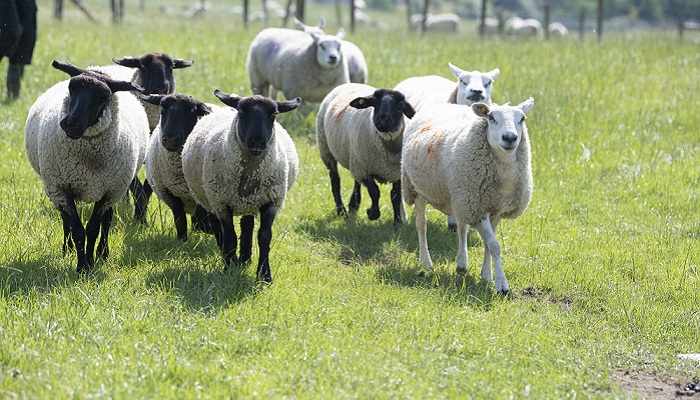
Ciaran Lynch, Sheep Specialist, explains the causes, symptoms, and prevention of grass tetany in ewes.
Grass tetany is a condition caused by low magnesium levels in the blood and mainly affects ewes during early lactation in the spring. The severity of the issue can vary between farms and is often influenced by a range of environmental and management factors. Bad weather conditions, especially prolonged wet spells like what we have experience d this spring can reduce grass intake and interfere with the ewe’s ability to absorb nutrients. Additional factors such as rapid grass growth combined with high soil potassium levels, particularly where fertiliser applications exceed 70kg/ha (55 units/acre), can further limit magnesium uptake from grass. Stress is another key contributor, with ewes in poor body condition, poor weather, disease, malnutrition result in ewes being more susceptible to grass tetany.
Typically under normal circumstances, ewes require around 1–2g of magnesium per day; however, during high-risk periods such as poor weather or times of stress, this requirement may increase to 3–5g/day due to reduced ability to absorb from forage. As magnesium is not stored in the body to any significant extent, a consistent daily supply is essential, particularly for lactating ewes.
Unfortunately, the first indication of grass tetany on farm may be a sudden ewe death. Symptoms may include nervousness, staggering, muscle twitching and, in more advanced cases, ewes lying down with severe muscle tremors. If caught in time, prompt treatment with 100cc of a 25% Magnesium Sulphate solution warmed to body temperature and administered under the skin at multiple sites can be effective.
Prevention is the best control measure available by providing additional magnesium supplementation during high-risk periods, particularly in early lactation.
The are a number of options:
- The most common method is achieved through providing high-magnesium mineral buckets or blocks that are suitable for sheep, these should be well distributed across paddocks, kept clean, and moistened during dry weather to encourage intake.
- During high-risk periods (adverse weather) feeding approximately 0.5kg of concentrate containing Cal-mag (included at recommended rates, typically around 10kg per tonne or as per manufacturer guidelines) can supply the required magnesium.
Other alternatives include:
- Administering magnesium bullets, although these may not always supply sufficient daily magnesium for full protection.
- Dusting pasture with Cal-mag (powder form) at appropriate application rates, ensuring adequate grass cover for adherence.
- Adding magnesium to drinking water an option occasionally considered for cattle is generally unreliable in sheep, particularly during wet weather when water intake is low.
Care should be taken not to feed high-magnesium supplements, including Cal-mag concentrates, to male sheep due to the risk of urinary calculi.