
Grass10: Advice for farmers facing very different grass growing conditions
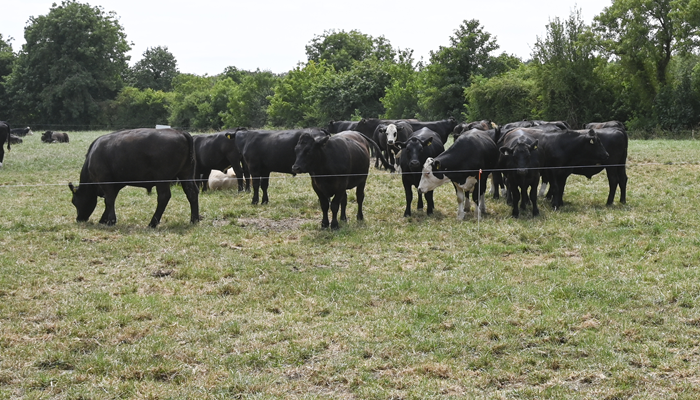
With the country firmly divided, Grass10 Advisor, Nikki Kennedy shares advice for farms where grass is growing and those where drought is still having an impact on grass supplies.
We are in the middle of August now and the country is firmly divided in terms of the grass situation on farms.
Many parts of the western and northern counties have experienced favourable conditions throughout the season and grass is growing well. Farms in these areas need to be actively managing their grazing plans for building covers heading into the autumn to set up for autumn or winter closing.
Required covers and closing dates will vary by farm enterprise, stocking rate and the planned start of grazing in the spring. In most cases, grazing rotations will need to be extended to start building cover and to account for the natural decline in growth rates as we head into September.
Advice for dry farms
The south, east, and parts of the midlands are where most issues lie. I am sure there are a lot of farmers sick of hearing that they need to do a fodder available budget, but the fact is that this has been an unprecedented dry spell off the back of a prolonged winter/spring on many farms.
Grass10 Advisor, Nikki Kennedy shares key tips on completing a fodder budget in the below video:
Relying on typical silage numbers could cause bother, as there are several factors affecting the numbers this year.
Conserved silage in many parts has been very different from that of a ‘typical year’. In some cases, first cuts were higher in yield but of lesser quality because this ground could not be grazed in the spring. In this case, the number of bales or the size of the pit may be greater than normal, but this silage mightn’t be suitable as the high-quality silage reserve on farm.
Second-cut silage is also hugely variable and, in most cases, is well back. In many cases, second cuts were not conserved at all as they needed to be grazed or zero-grazed. All these factors affect what is required and available on farm.
As this is a widespread problem and not limited to a small number of farms, the availability of the required quality of fodder may be limited, so plans for sourcing this should be put in place early.
For tips on how to complete a fodder available budget through PastureBase Ireland, watch the video below:
Fertiliser management
One of the most common questions we are getting now is around fertiliser application, particularly nitrogen, especially as we get nearer the closing period.
In parts of the country where adequate rain has fallen since the start of August and grass is actively growing, fertiliser can be spread in accordance with the demand on farm and fertiliser allowances.
In areas still in a severe soil moisture deficit, hold off and do not spread before expected rain.
As we have seen many times, forecast rain may not materialise. Also, the only limiting factor to grass growth now is moisture.
Throughout the extended dry spell, there is a bank of nitrogen building in soil and this will be released with adequate rain. It is unnecessary to spread chemical fertiliser ‘on top’ of this release of nitrogen. In this situation, grass may become unpalatable and there is a risk of nitrate poisoning.
On many farms, significant volumes of slurry remain to be spread which is another source of nitrogen (N), phosphorous (P) and potassium (K) to be applied to soils.
For more tips and advice from the Grass10 Campaign, visit here.
For more tips on managing your farm through the dry spell, visit here.