
29 April 2025
Grazing grass-white clover swards – Dr. Áine Murray’s key tips
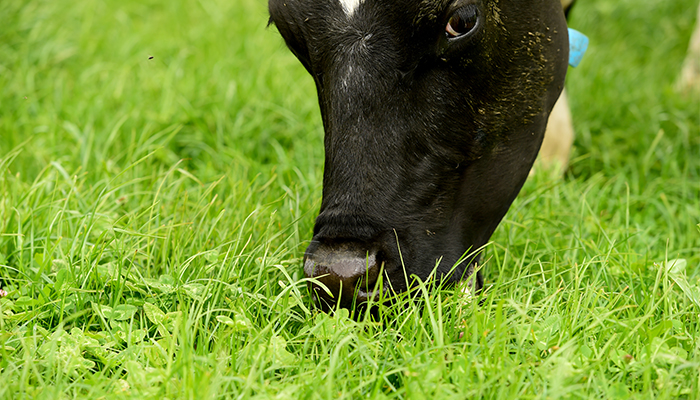
Effective grazing management is essential for maintaining white clover content within grazing swards. In this article, Dr. Áine Murray shares some key tips to ensure it thrives in your swards.
To fully maximise the benefits of incorporating white clover into grass swards, farmers should aim for a minimum of 20% white clover sward content on average across the year. Achieving this target relies on effective grazing management and the appropriate application of fertilisers.
1). Grazing management
For the white clover plant to persist and produce stolons effectively, light must penetrate to the base of the sward. This is best achieved through good grazing management.
During the summer months, it is essential to maintain ideal pre-grazing covers between 1,200 and 1,500 kg DM/ha and, after grazing, the target post-grazing height of approximately 4 to 4.5 cm achieved, with a mid-season rotation length of around 21 days.
A proactive approach is needed to manage farm cover by regularly walking the farm. Maintaining a target farm cover between 160-180 kg DM/cow helps identify when surpluses occur. When this happens, surplus paddocks should be cut for bales to maintain the desired pre-grazing herbage mass. At the same time, farmers should also avoid heavy silage cuts greater than 2,500 kg DM/ha, as this can shade the base of the sward and hinder stolon production.
2). Managing bloat risks
Bloat is a common concern when grazing white clover swards, particularly during specific high-risk periods. These include when the sward clover content exceeds 45%, during damp or wet mornings, and when animals enter paddocks extremely hungry. Identifying these risk periods is critical to preventing bloat.
To minimise the incidence of bloat, preventive measures can be implemented. For example, adding bloat oil to the water or using a ‘breakfast break’ – a small, two-hour grazing allocation when introducing animals to a new paddock – can effectively reduce bloat risks and ensure animal health.
Dr. Áine Murray shares more insights on white clover grazing management in the below video:
More from Teagasc Daily: Dr. Michael Egan’s tips on establishing grass/white clover swards