
29 June 2024
Grow herbs to give your garden a touch of the Mediterranean
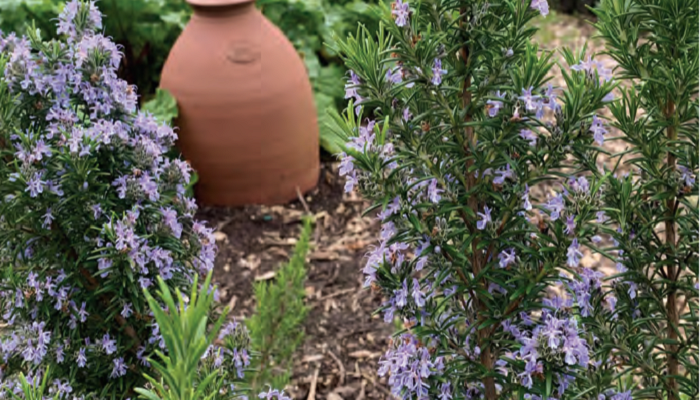
Chris Heavey, Lecturer at the Teagasc College at the National Botanic Gardens, offers top tips on growing herbs, noting that on wet Irish summer days, they create a little Mediterranean oasis to cheer up both yourself and your kitchen.
Many of the herbs we grow today have been around, in one culture or another, for thousands of years. During the middle ages, they were grown mainly in monastic settlements and it is from this tradition that we derive our herbs and herb gardens today.
We can grow herbs in many different situations and locations because many of them are so easily mobile. The raised bed is a particularly useful place to plant and successfully grow herbs. Herbs like basil, oregano, chives, rosemary and thyme are easy enough to grow in the average garden.
Herbs tend to enjoy lots of sunshine and a well-drained soil. This makes them good candidates for raised beds, gardens with sandy soil, containers and pots. They provide a tasty addition or are indeed essential to many of our culinary exploits.
Summer months
Consider the herbs that you will make most use of, and base your herb garden around these. Herbs such as basil and coriander may need to be sown every couple of weeks over the season to ensure you have fresh material through the summer months.
Prune and tidy up in the autumn and where necessary, divide plants that can be divided. This is particularly important for mint. Mint spreads wildly when allowed. Always keep it in a pot and every two years divide the plant into four, repot one and give away the others. The newly-potted plant should provide you with leaves for two years before dividing again.
Fennel, which can reach a height of two metres, can be both ornamental and culinary. I make a mixture of fennel seed and either garlic or sea salt. The mix is crushed in a pestle and mortar and can be applied to both sides of escalloped chicken and cooked on the barbeque.
Some herbs lend themselves to shaping. Bay laurel (Laurus nobilis), for example, can be grown as a standard of any shape. You often see them grown like ‘lolly pops’ as a central feature or on both sides of an entrance. Thyme and plants such as camomile can be used as easily-controlled ground cover.
Sensory value
Sage and lemon scented verbena have wonderful sensory value, as do many plants in this category. Verbena is not very interesting from an aesthetic point of view, but its overpowering scent is magnificent. When crushed, its leaves can be used to brew a refreshing lemon tea.
Plants like these, and of course lavender, should be pruned for best effect. Prune in the spring just as the plants are about to come into growth and not in winter when it is too cold and wet. Grow those plants which you will use regularly but don’t forget a few for scent and their sheer beauty. On these wet Irish summer days, they create a little Mediterranean oasis to cheer up both yourself and your kitchen.
This article first appeared in the May/June edition of Today’s Farm. For more information on the publication, click here.