
02 June 2024
Growing Wild – bird’s foot trefoil and whitethorn
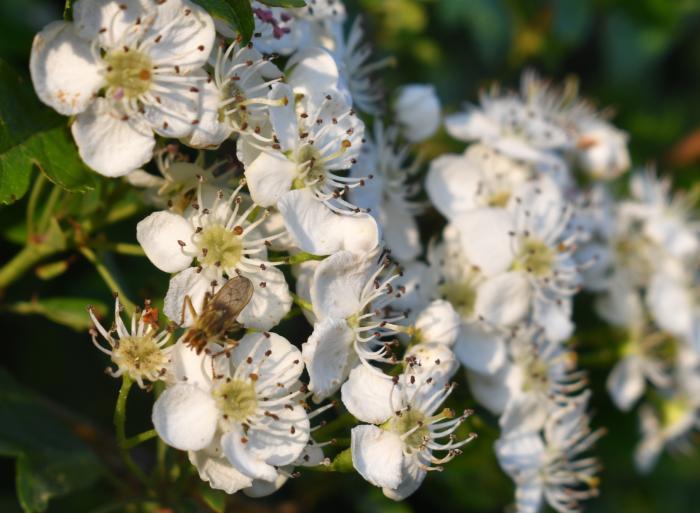
Catherine Keena, Teagasc Countryside Management Specialist, takes a closer look at some of our native Irish biodiversity, focusing this time on bird’s foot trefoil and whitethorn.
Bird’s foot trefoil
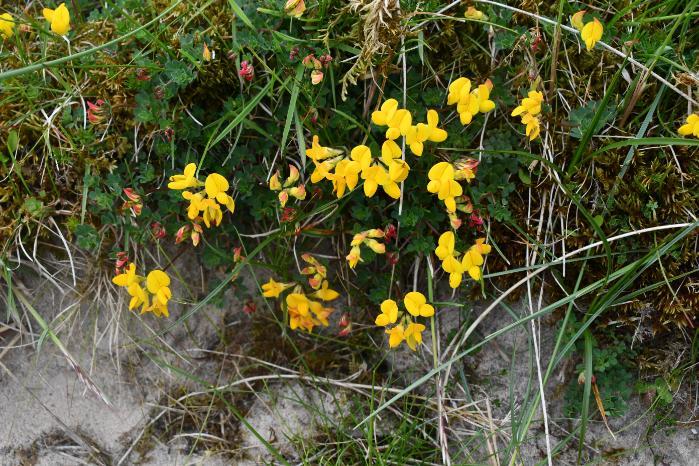
Look out for bird’s foot trefoils with clusters of bright yellow pea like flowers, tinged with red or orange with irregular petals. They are positive indicator plants on the ACRES grassland and peatland scorecard, meaning that fields score higher and farmers get more money where present. Bird’s foot trefoil likes quite dry habitats. It has solid stems and three to six flowers n a cluster. Greater bird’s foot trefoil likes damper habitats. It has hollow stems and five to ten flowers in a cluster. As foodplant for dingy skipper and common blue butterflies and very important for bees, bird’s foot trefoil nó crobh éin corraigh is part of native Irish biodiversity.
Whitethorn
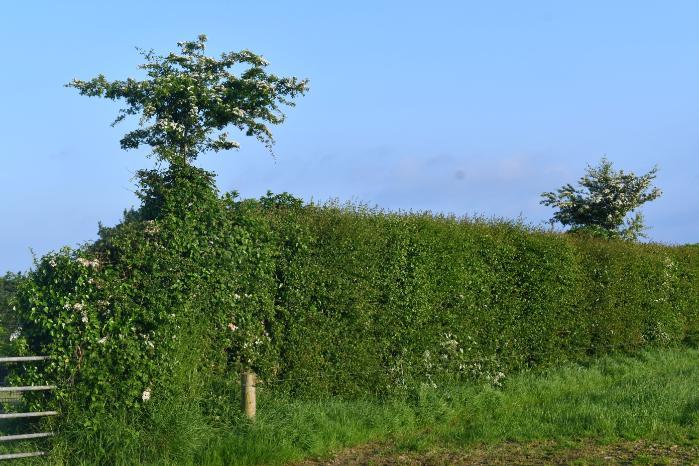
Whitethorn sapling retained in Topped hedge
Look out for whitethorn flowers. This year’s display has not been as magnificent as it can be with heavy rain hastening the demise of flowers caught in downpours, while adjacent trees host beautiful sights. Timing of flowering varies within a hedge, which is very useful for associated invertebrates such as hoverflies, bees and moths. Whitethorn supports 62 species of Irish moths. Note where flowering whitethorn is present – none on the body of topped hedges. Please remember when hedge cutting to leave a thorn sapling to grow up in every topped hedge, proving flowers, fruit and perching posts – vital for our native Irish biodiversity
Previous Growing Wild articles:
- Growing Wild Lousewort and Meadow Foxtail
- Growing Wild – Charlock and Lady’s Smock
- Growing Wild – Cleavers and Herb Robert
- Growing Wild – Tutsan and Woodrushes
- Growing Wild – Shamrock and Primrose
- Growing Wild – Blackthorn flowers and whitethorn leaves
- Growing Wild – haws and spindle fruit
- Growing Wild – Crab Apples and Elderberries
- Growing Wild – Ivy flowers and Common knapweed
- Growing Wild – Meadowsweet, Ox-eye Daisy and Selfheal
- Growing Wild – Marsh marigold and Ribwort plantain
- Growing Wild – Dandelions and cowslips
- Growing Wild – Lesser Celandine and Ivy berries
- Growing Wild – Winter Heliotrope and frogspawn
- Growing Wild – Willow Catkins and Birds Nests
- Growing Wild – Harts Tongue and Hazel
- Growing Wild – Holly Berries and Scot’s Pine
- Growing Wild – Whins and Ferns
- Growing Wild – Rose Hips and Flowering Ivy
- Growing Wild – Yarrow and Herb Robert
- Growing Wild – Elderberries and Blackberries
- Growing Wild – Haws and Spindle
- Growing wild – Guelder Rose and Sloes
- Growing wild – Purple loosestrife and Lord and Ladies
- Growing Wild – willowherb and water mint
- Growing Wild – dandelion and greater stitchwort
- Growing Wild – willow, primrose and lady’s smock
- Growing Wild – whitethorn and cow parsley
- Growing Wild – bluebells and guelder rose
- Growing wild – Honeysuckle and Foxglove
- Growing Wild – Elder and Ragged Robin
- Growing wild – dog rose and meadowsweet
- Growing wild – Privet and Lady’s Bedstraw
- Growing Wild – Bird’s foot trefoil and Knapweed