
19 May 2024
Growing Wild: Lousewort and Meadow Foxtail
Catherine Keena, Teagasc Countryside Management Specialist, takes a closer look at some of our native Irish biodiversity, focusing this time on Lousewort and Meadow Foxtail.
Lousewort
Look out for lousewort, one of the positive indicator plants on the ACRES grassland and peatland scorecard, meaning that fields score higher and farmers get more money where present. It is a small, low growing plant found in damp and acidic habitats.

It has delicately-lobed leaves and bright pink flowers with two lips, 2.0–2.5cm long. The upper is like a hook and it is slightly longer than the bottom lip which has three lobes.
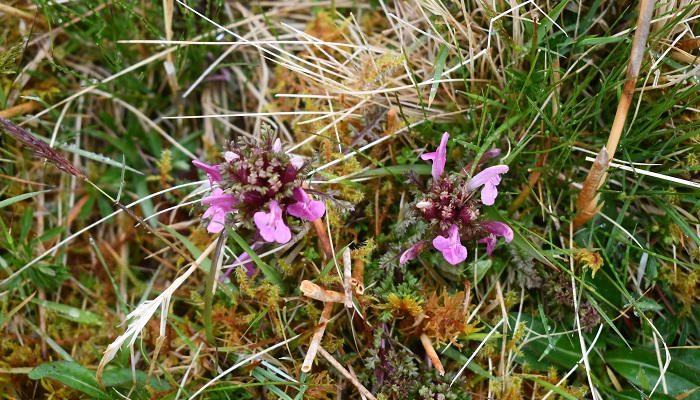
Marsh lousewort is taller and grows in slightly wetter grassland. It has very similar flowers, but its upper lip is the same length as the lower lip. Louseworts are partially parasitic plants and are part of our native Irish biodiversity.
Meadow foxtail
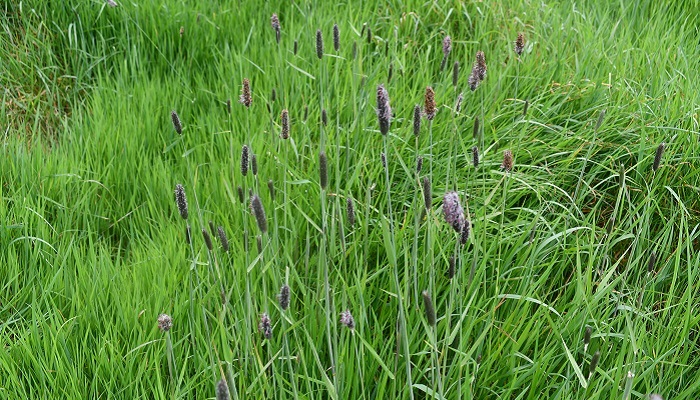
Look out for meadow foxtail in flower. This early flowering grass has a tight, cylindrical spike hosting many invertebrates, which in turn are prey for invertebrate eating birds. Meadow foxtail is found in old, unimproved grasslands.
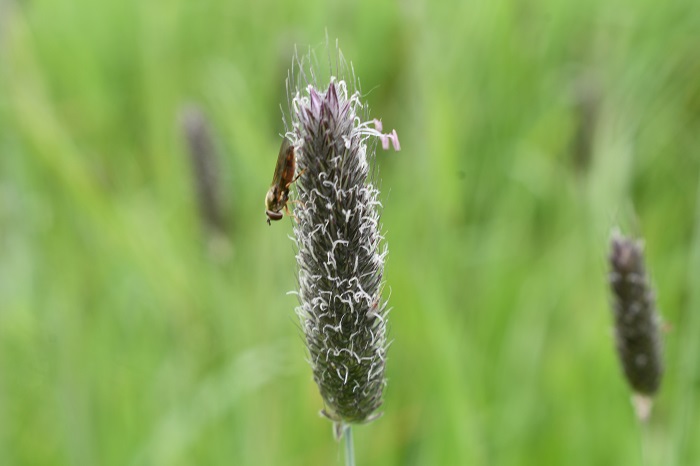
Seed mixtures for improved grassland will not include it and such fields are grazed or cut before grasses head out or go to seed, which is important for efficient food production. This shows the ecological benefit of retaining grass margins around improved grass fields, as well as leaving other grassy ‘waste’ areas – left unsprayed – in the countryside and delay cutting until autumn. Meadow foxtail ‘nó fiteog léana’ is part of our native Irish biodiversity.
Previous Growing Wild articles:
- Growing Wild – Charlock and Lady’s Smock
- Growing Wild – Cleavers and Herb Robert
- Growing Wild – Tutsan and Woodrushes
- Growing Wild – Shamrock and Primrose
- Growing Wild – Blackthorn flowers and whitethorn leaves
- Growing Wild – haws and spindle fruit
- Growing Wild – Crab Apples and Elderberries
- Growing Wild – Ivy flowers and Common knapweed
- Growing Wild – Meadowsweet, Ox-eye Daisy and Selfheal
- Growing Wild – Marsh marigold and Ribwort plantain
- Growing Wild – Dandelions and cowslips
- Growing Wild – Lesser Celandine and Ivy berries
- Growing Wild – Winter Heliotrope and frogspawn
- Growing Wild – Willow Catkins and Birds Nests
- Growing Wild – Harts Tongue and Hazel
- Growing Wild – Holly Berries and Scot’s Pine
- Growing Wild – Whins and Ferns
- Growing Wild – Rose Hips and Flowering Ivy
- Growing Wild – Yarrow and Herb Robert
- Growing Wild – Elderberries and Blackberries
- Growing Wild – Haws and Spindle
- Growing wild – Guelder Rose and Sloes
- Growing wild – Purple loosestrife and Lord and Ladies
- Growing Wild – willowherb and water mint
- Growing Wild – dandelion and greater stitchwort
- Growing Wild – willow, primrose and lady’s smock
- Growing Wild – whitethorn and cow parsley
- Growing Wild – bluebells and guelder rose
- Growing wild – Honeysuckle and Foxglove
- Growing Wild – Elder and Ragged Robin
- Growing wild – dog rose and meadowsweet
- Growing wild – Privet and Lady’s Bedstraw
- Growing Wild – Bird’s foot trefoil and Knapweed