
03 August 2024
Growing Wild: Water Mint and Jellyfish

Catherine Keena, Teagasc Countryside Management Specialist, takes a closer look at some of our native Irish biodiversity, focusing this time on Water Mint and Jellyfish.
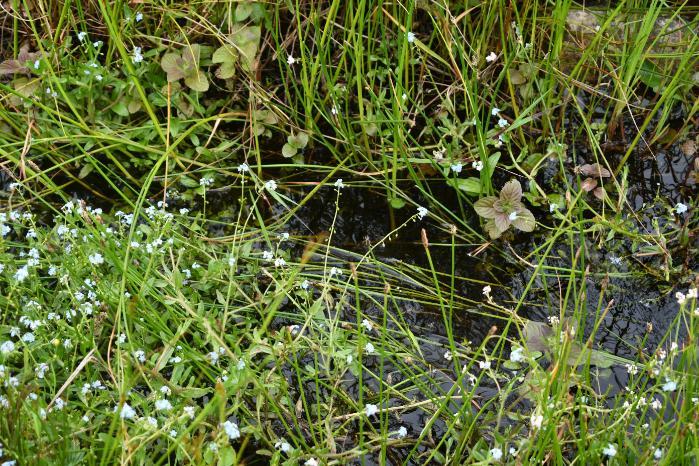
Water mint
Look out for water mint with purplish leaves and stems, easily identified by the familiar minty smell when crushed. Oval serrated pointed leaves are in in opposite pairs on stiff square four-sided stems. It is widely distributed throughout Ireland, growing along watercourses and in wet grassland, creeping along by underground stems or rhizomes. It is a positive indicator species, meaning higher scores and farmer payments for land in ACRES CP (Co-operation Project) areas and Low Input Grassland in ARES General. Water mint was collected as an aromatic herb for use in cooking and had many medicinal purposes. Known as mismín mionsach as Gaeilge.
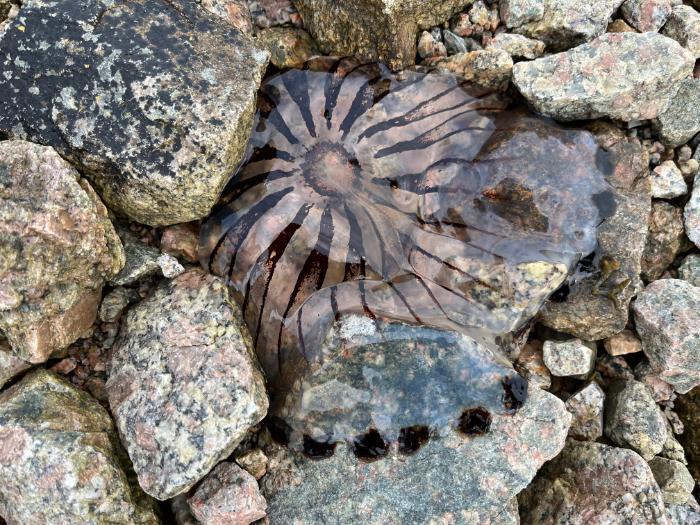
Jellyfish
Common off south and west Irish coasts, where many Gaeltacht students learn about smugairle róin. Jellyfish have a very simple body with no heart, bones, liver, brain or lungs. They have stinging cells that they use to capture food and for protection. They feed on fish eggs and larvae and compete with fish for plankton. However they also provide shelter to juvenile fish under the floating jelly habitat. Many marine animals feed entirely on jellyfish. They play an important role in the dynamics and functioning of our coastal marine environments. Compass jellyfish is one of five Irish species.
Read more from the Growing Wild series