
18 April 2024
Guaranteed buyer needed when growing forage crops
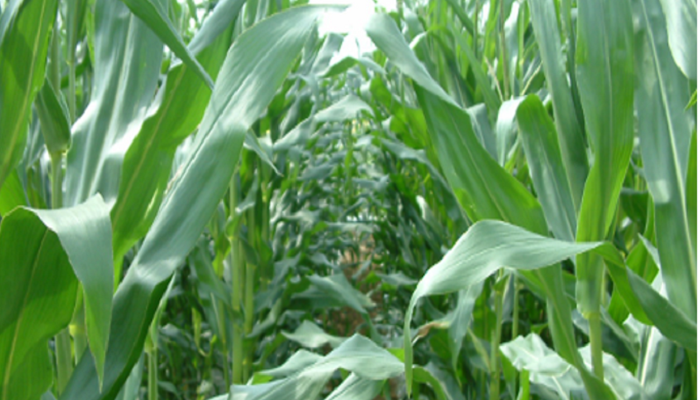
A troublesome spring for planting has seen the crop choices available to tillage farmers become somewhat limited. As a result, some tillage farmers are considering growing forage crops for livestock farmers as a way of spreading the crop establishment and harvest workload.
Where this is being considered, the tillage farmer must ensure they have a guaranteed buyer in place. Forage crop production is expensive, but no crop is as expensive as one that you can’t sell.
Whether planning on whole cropping late-sown spring wheat, or growing maize or beet for a livestock farmer, having a contract in place – with clear terms and a binding payment structure – is a must.
One option is contract cropping, an arrangement where a tillage farmer enters into a contract with a livestock farmer to grow a forage crop. Tillage farmers have the expertise and, in many cases, the machinery to grow high quality forage crops.
The specimen agreement, available below, has been prepared with maize and fodder beet in mind and identifies the key areas for discussion between the grower and the purchaser. Farmers are advised to seek the advice of their agricultural advisor to help them complete the terms of their bespoke agreement. The agreement identifies key areas including: the farmers involved; a three stage payment structure; the lands involved; and the details of the crop that is grown.
Access the contract cropping arrangement here.
Tillage farmers considering entering into such a cropping arrangement this year need to be fully aware of the costs, inputs, margins obtainable and agronomy associated with producing a fodder crop on contract. The Crops Costs and Returns 2024, available below, provides an indicative guide to crop margins. However, land suitability, rotation, risk avoidance and husbandry skills must also be considered before entering into such an arrangement.
View the Crops Costs and Returns 2024 (PDF) here.