
Housing cattle: 5 steps to protect performance
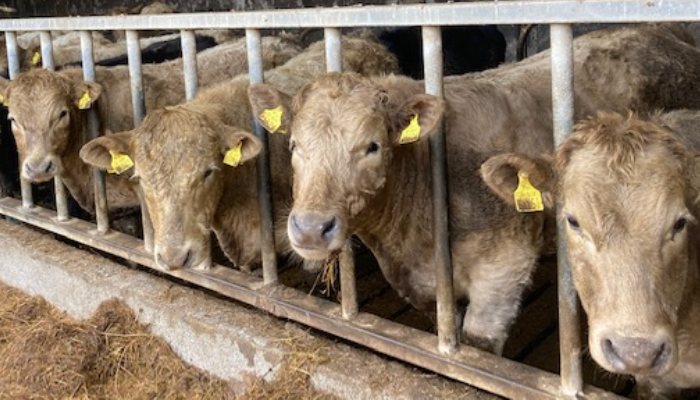
Preparing cattle and facilities for winter housing is essential for maintaining animal health, achieving good winter weight gain and improving profitability on beef farms, Teagasc Cattle Specialist, David Argue shares five key tips for beef farmers when getting winter ready.
Taking time to get sheds ready before cattle come indoors can help prevent disease, reduce management problems and ensure cattle continue to thrive throughout the winter. The following are some key areas to focus on before housing begins.
1). Get the yard and sheds ready
Before cattle enter the sheds, check that gates, latches, feed barriers and water troughs are in good working order. Carry out any necessary repairs now to avoid problems once cattle are housed.
Sheds should be thoroughly power washed and disinfected before use to reduce the risk of disease spreading between groups of animals. Check that roof and yard water are diverted away from slurry tanks to prevent unnecessary water entering the system.
2). Provide adequate lying space
Sufficient lying space is essential for animal comfort, health and performance. Overcrowding increases competition, reduces lying time and can negatively affect thrive, while also increasing the risk of disease transmission.
As a general guide, the following lying space allowances apply to cattle housed on slats:
- Suckler cows: 2.5–3 m² per animal.
- Cattle over 275 kg: 2–2.5 m² per animal.
- Smaller cattle: 1.2–1.5 m² per animal.
Check the number and size of cattle each pen can accommodate before housing. Avoid squeezing extra animals into pens, as this can compromise performance over the winter.
3). Check feeding space
Adequate feeding space ensures cattle can access feed without excessive competition. This is particularly important when weanlings are being fed restricted silage or concentrates, where all animals should ideally be able to feed at the same time.
Allow approximately 400–500 mm of feeding space per head for weanlings on restricted diets. Where roughage is available ad-libitum, 225–300 mm per head may be sufficient. Store cattle and suckler cows require an additional 100 mm and 200 mm per head, respectively.
Where feeding space is limited, consider whether changes to pen layout or the installation of additional feeding barriers along the back of pens could improve access to feed.
4). Ensure good ventilation
Good ventilation removes excess moisture and helps reduce the build-up of airborne bacteria and viruses within the shed. Poor air quality and damp conditions increase the risk of respiratory disease, particularly pneumonia in young cattle.
Air should enter through suitable inlets and leave through outlets at roof level. As a general guide, the total inlet area should be at least twice the outlet area. Simple improvements, such as providing a continuous 0.3 m opening along the eaves or increasing ridge ventilation, may help improve airflow where required.
The aim is to provide a steady supply of fresh air without creating cold draughts at animal level. Check sheds before housing and address any ventilation problems early.
5). Test silage and balance winter diets
As cattle move indoors, silage pits and bales are opened and winter feeding programmes begin. Knowing the quality of the available silage is essential for planning an appropriate diet.
A silage analysis provides information on dry matter, crude protein, energy value and other nutritional characteristics. This allows farmers to assess whether the silage will meet the animals’ requirements or if additional concentrates or other supplements are needed.
Match the feeding programme to the type, weight and target performance of the cattle. Regularly monitor body condition and weight gain throughout the winter so that diets can be adjusted where necessary.
For more tips on getting winter ready, listen to the latest episodes from the Beef Edge podcast.