
09 June 2023
How maternal genetic merit influences reproductive traits in ewes
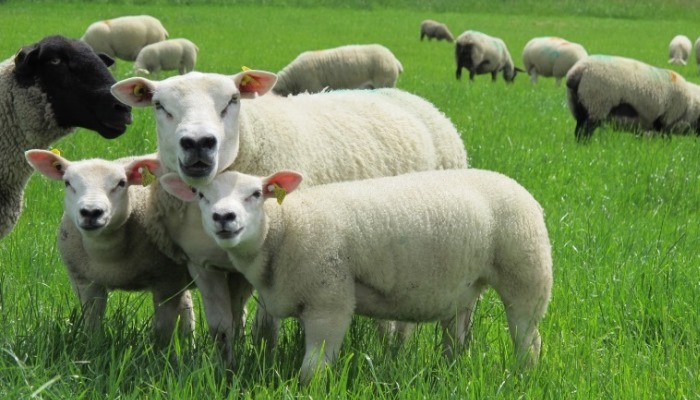
Genetic indexes, as produced for sheep in Ireland by Sheep Ireland, provide producers with an additional tool when making informed breeding decisions. Fiona McGovern tells us more about the INZAC flock in Athenry and its role in investigating the role of ewe genetic merit for reproductive traits.
The Ireland New Zealand Animal Comparison (INZAC) flock based at Teagasc Athenry has a main objective to validate the Replacement Index of animals through an on the ground, on-farm performance study.
In the initial phase of the study there were 180 ewes divided into three groups of 60 – comprising of Irish and New Zealand animals of high genetic merit and low genetic merit Irish animals. All Irish animals are ranked on the Sheep Ireland replacement genetic sheep index and are classified as five star (high genetic merit), representing the top 20% of animals within each specific breed, or one star (low genetic merit) representing the bottom 20% of animals within that breed. Each group contains two breed types namely Suffolk and Texel.
In order to investigate if ewe genetic merit affected reproductive traits, a number of traits were recorded including: conception rate to first service; overall barren rate; pregnancy scan rate; the number of lambs born and weaned each year. Ewes were mated via laparoscopic artificial insemination (AI) using fresh semen collected on the day of AI.
Fourteen days post AI, rams were introduced for a 20 day period, allowing ewes an opportunity to be naturally mated for two repeat cycles. Ewes were pregnancy scanned at 80-90 days of gestation, with lambing taking place from early March. The maximum number of lambs reared per ewe was 2. For ewes with a litter size of ≥3, excess lambs were removed and placed into an artificial rearing unit or cross fostered onto another ewe within the same genetic merit group.
Results
Results from this study show that high genetic merit ewes of New Zealand origin outperformed low genetic merit Irish ewes for reproductive traits with a 7% higher conception rate to first service. When overall pregnancy rate was examined, there was no difference between the three groups; however there were more repeat ewes in the low Irish group. Over the four years of this study, the New Zealand and high genetic merit Irish ewes gave birth to more lambs per ewe and weaned a greater total number of lambs when compared to the low genetic merit Irish ewes. This shows the importance of looking at not only the litter size of the ewe but also her rearing potential.
Results demonstrate the suitability of New Zealand genetics to an Irish based production system, but more importantly emphasise the importance of having a breeding plan and breeding animals of high genetic merit.
For more information on the research work carried out in Teagasc Athenry, click here.