
How to reduce food waste this Easter
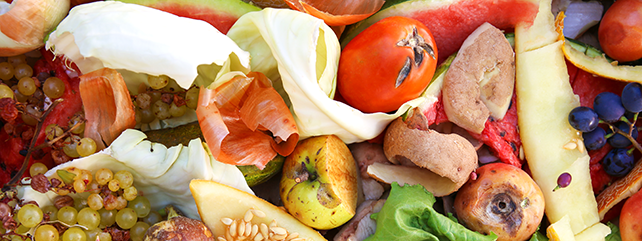
In a recent RTÉ Brainstorm article, Angelo Galatolo highlighted how small changes can make a big difference in reducing food waste over the Easter period.
Easter is typically a time of abundance, with many households buying and preparing more food than usual. However, this often leads to increased food waste. Research consistently shows that consumer behaviour plays a central role in food waste, particularly during high-consumption periods such as holidays and seasonal events.
In Ireland, household food waste remains a significant issue with both environmental and economic consequences. Wasted food contributes to greenhouse gas emissions and represents a loss of valuable resources across the entire supply chain. At home, much of this waste is avoidable and often stems from everyday habits.
Plan ahead
Planning is one of the most effective ways to reduce food waste. Creating a simple meal plan for the Easter weekend helps prevent overbuying and ensures food is used efficiently. Studies show that structured shopping habits, such as writing lists and planning meals, are linked to lower levels of household food waste.
Check what you have
Before heading to the shops, take stock of what’s already in your fridge, freezer, and cupboards. Many households unknowingly buy duplicates, particularly perishable items, which can quickly go to waste. This simple step can significantly reduce unnecessary purchases.
Manage portions
Over-preparing food is a common cause of waste, especially for large meals or gatherings. Being mindful of portion sizes can help ensure that food is enjoyed rather than discarded. Research indicates that over-preparation is a consistent contributor to food waste across European households.
Understand date labels
Understanding and managing date labels is also essential. There is widespread confusion between “use by” and “best before” dates, which can lead to perfectly edible food being discarded unnecessarily. Evidence shows that improving consumer understanding of date labelling can significantly reduce food waste.
Store food properly
Good storage habits can extend the life of your food. Keeping your fridge below 5°C, storing items correctly, and making good use of your freezer are simple but effective ways to reduce spoilage. Research highlights that better storage practices are strongly linked to lower food waste.
Make the most of leftovers
Leftovers should be seen as an opportunity, not a problem. They can be reused for quick meals, packed lunches, or frozen for later use. Households that actively use leftovers tend to generate significantly less food waste.
How much food do you really need for Easter lunch?
Portion planning is one of the most effective ways to prevent food waste.
| Ingredients | Quantity per person |
| Lamb (Raw, leg/shoulder) | 180-220g |
| Ham (raw) | 80 – 100 g |
| Roast potatoes | 150 g |
| Mash potato | 100 – 150 g |
| Spring vegetables (e.g. carrots, greens, peas) | 80 – 100 g |
| Asparagus/green beans | 60 – 80 g |
| Mixed salad | 50 – 70 g |
| Milk (tea, coffee, mashed potatoes, sauces, dessert) | 250 – 300 ml per adult |
| Cream (Irish coffee, pavlova, sauces, etc.) | 10 ml per adult |
| Butter (cooking vegetables, mashed potatoes, table butter) | 35 – 40 g per adult |
| Bread/rolls | 1 – 2 per person |
| Stuffing | 60 – 80 g |