
Hybrid rye in diets for weaners, grow-finishers and sows
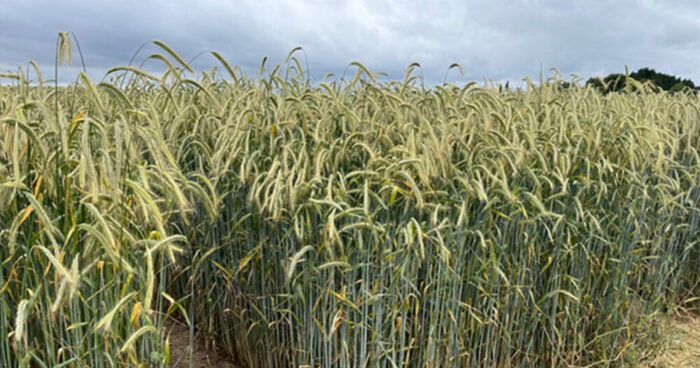
Interest in the use of native grown hybrid rye in pig diets has increased in recent times and quantities available for feeding seem set to increase in the years to come. Peadar Lawlor, Teagasc Pig Nutrition Researcher, tells us more.
In 2026 the area set to winter rye in Ireland is projected to be 5000ha which is more than 10 times greater than the area grown in 2020. This increase has come about because cereal growers see rye as a relatively high yielding, low input crop with greater resistance to many common diseases.
Results from a Moorepark feeding trial, conducted in 2020, showed that hybrid rye was successfully fed to finisher pigs at dietary inclusion levels of up to 60%. Our confidence in feeding hybrid rye in pig diets should be further boosted by the findings of another recent study. This study conducted by Jessica Acosta and Hans Stein from the University of Illinois reviewed the use and application of hybrid rye in diets for weaner, grow-finishers and sows.
The researchers reviewed every published study on feeding “hybrid rye”, a modern, cross-bred variety of rye, to pigs. They wanted to answer one practical question: how much hybrid rye can safely replace maize, wheat, or barley in pig diets, and what happens to growth, health, and meat quality when it does?
The team searched three scientific databases and screened 116 articles, eventually drawing data from 67 peer-reviewed papers plus 6 conference abstracts. No new feeding trial was run; the work pooled existing evidence.
Hybrid rye contains about 60% starch, which pigs digest very efficiently (around 90 – 95%), and it has more soluble fibre and more natural phytase (the enzyme that unlocks phosphorus) than maize or wheat. The old concern regarding the presence of “anti-nutritional factors” in rye is now small. Early rye varieties contained ergot, rye alkaloids, and other compounds that reduced feed intake. The modern hybrid rye has been bred to have very low levels of these.
Feeding recommendations from the study
Weaner pigs
Up to 24% hybrid rye in starter/link diets and up to 60% in weaner diets can safely replace barley, wheat, or maize, with no negative effect on ADG, ADFI, FCE, or faecal score. Piglets on hybrid rye gained slightly more weight per day and ate slightly more than controls, and the incidence of post-weaning diarrhoea dropped noticeably.
Growing-finishing pigs
Up to 80% hybrid rye can safely replace barley and up to 60% can replace wheat or maize without depressing ADG, ADFI, or feed efficiency. In terms of carcass quality; kill out yield, back-fat depth, and meat-quality (drip loss, water-holding capacity, colour) were generally unaffected by rye inclusion at these levels. However, some studies did report greater back-fat and lower iodine values, but consumer acceptability was not compromised.
Gestating sows
Up to 60% hybrid rye can safely replace maize or barley, with no effect on farrowing rate, litter size, or body weight.
Lactating sows
Up to 35% hybrid rye can safely replace maize. Improved milk yield, litter growth rate and pre-weaning mortality resulted from feeding this level of hybrid rye, though colostrum and milk composition are unchanged.
Hybrid rye is a very useful home-grown alternative to imported cereals that can safely be fed to all stages of pigs. Beyond the cost savings that may result from its availability, it may also help improve gut health (via volatile fatty acid production) in young pigs, and because of its naturally higher natural phytase content it is beneficial in improving phosphorus digestibility and lowering phosphorus excretion and therefore, may allow for reductions to phytase supplementation to diets. Additionally, it seems that it’s inclusion at up to 35% in lactation sow diets may benefit litter growth. Furthermore, substituting native grown hybrid rye for imported cereals in pig diets will reduce the carbon footprint of pig production which is becoming an ever-increasing consideration.