
23 November 2024
Important workshops to feature at Teagasc National Dairy Conference
Set to take place next Wednesday, November 27, farmers will have the opportunity to participate in a number of important workshops at this year’s Teagasc National Dairy Conference.
With the morning session assigned to presentations on achieving grazing system objectives, and nutrient use on dairy farms, it is through the afternoon session – which features six important workshops – where farmers can engage and discuss with Teagasc researchers, advisors, farmers and industry representatives on topics relevant to their own farm. Those attending will choose three options from the following six topics:
Workshop 1 – Trends in TB, reducing risk for dairy herds
Herd TB incidence rates are increasing, from 3.72% in 2019 to 5.17% in 2024, resulting in 5,280 affected herds nationally (Q2-2024). Data also shows dairy herds to be at greater risk of breakdown.
Featuring speakers Damien Barrett, Department of Agriculture, Food and the Marine; Niamh Field, Teagasc; and Derek O’Donoghue, Principal Salesian College, Pallaskenry, this workshop will discuss in detail how to reduce the risk of introducing infection, and will offer insights and advice on managing the herd in the event of TB outbreak.
The main points to be covered are:
- What are the main sources of infection for TB-infected herds?
- Understanding the TB skin test and the role of supplementary blood testing in managing breakdowns
- Residual infection in the herd – is it a significant issue for dairy farmers?
- How to improve biosecurity and reduce risk of transmission of TB from environment and wildlife to the herd
Workshop 2 – Meeting herd feed requirements this winter and next spring
Featuring speakers Aisling Claffey, Nutritionist at Teagasc; James Dunne, Teagasc Dairy Specialist; and Kevin Stagg, a Teagasc Dairy Advisor in Kerry/Limerick region, this workshop will discuss the requirements of the dairy cow in early lactation, with a particular focus on the energy density of the diet and dry matter intake to support milk production.
The importance of forage quality and supplementary feed options, and the relative value of these in meeting potential feed deficits during the coming winter and spring period, will be examined. The challenges of feeding the dairy cow in early lactation, during short-term periods of adverse weather or poor grass growth, and the knock on consequences of this, will also be discussed.
Key topics to be discussed:
- The nutritional requirements of the spring-calving cow in order to optimise herd performance
- The role grazed grass plays in the diet, with a renewed focus to achieve at least one grazing per day in early lactation
- How the requirements of the cow can be met when access to grass is impeded in the short term due to adverse weather conditions
Workshop 3 – Clover 150 – Lessons learned from 2024
Legumes, particularly white clover, have the potential to play a significant role in offsetting the reduction in N fertiliser use on Irish farms while helping to maintain adequate pasture production at farm level.
2024 has been a very challenging year weather wise, with poor growing conditions, and many farmers are disappointed with pasture growth (T DM/Ha) on their farms. Clover swards have been particularly affected with cooler soil and air temperatures affecting stolon proportion, which delayed clover contributions in the sward until late summer on many farms.
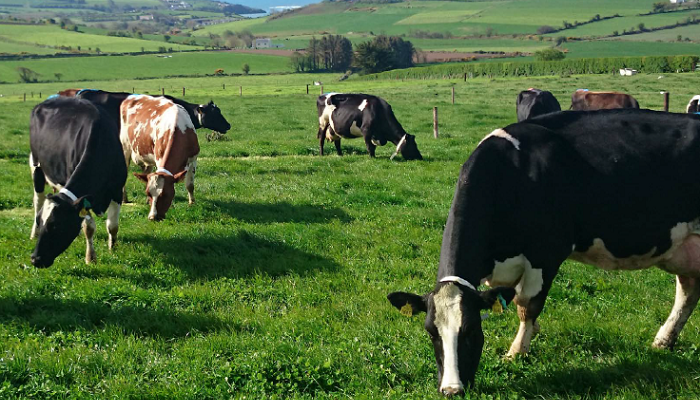
In this session, Joseph Dunphy, Grass10 will be joined Michael Egan, Teagasc Moorepark and dairy farmers Robert and Denis O’Dea from Co. Limerick.
The topics for discussion in this workshop will be:
- Reviewing the pasture grown and nutrient usage on Clover 150 farms over the last five years and lessons learned in the process
- Managing the year-to-year fluctuations in clover contents and selecting appropriate fertiliser strategies
- Checklist for setting your farm up for high clover contents in 2025
Workshop 4 – Controlling dairy production costs in 2025
Controlling the cost of production has always been a vital tool in improving farm profitability. Since 2018, we have seen a significant increase in the cost of production on Irish dairy farms, generally driven by high input prices, particularly in 2022. This was generally matched by increases in milk prices. However, from 2021 to 2024, we have seen massive variability in milk prices while costs have remained high. It is essential to refocus on our costs to get control of our financial business.
This workshop will feature Patrick Gowing, Teagasc Dairy specialist, who’ll discuss trends in costs and showcase a new tool for Teagasc E-profit monitor users to identify areas where your costs may be higher than they need to be. Patrick will be joined by Nora O’Donavan, Teagasc/ Dairygold programme coordinator, and Jerome and Brian Desmond of Crookstown, Co. Cork, to showcase how they use this new tool to control costs.
This workshop will demonstrate:
- Trends in farm costs
- High and low margin farms
- New cost control tool for E- profit monitor
Workshop 5 – Successful use of sexed semen in Irish dairy herds
Dairy sexed semen facilitates targeted breeding of the highest genetic merit females within the herd to produce replacements with increased milk solids production potential delivered with a lower carbon footprint. Similarly, the use of dairy sexed semen can reduce the production of low value dairy bull calves. With less dairy straws required to generate the heifer replacements, more females can be bred to high Dairy Beef Index (DBI) sires. This alters the calf crop significantly from one dominated by dairy x dairy breed animals to one that is approximately 70% dairy-beef origin.
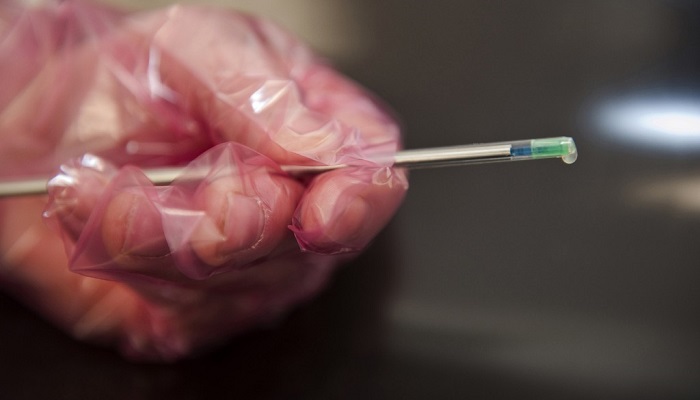
In this workshop, Professor Stephen Butler will outline the best and most cost effective strategies to employ to integrate sexed semen into dairy breeding for your farm to achieve high conception rates when using sexed semen. Professor Butler will be joined by Stuart Childs, Teagasc Dairy Specialist, and John McCarthy, Teagasc Dairy Advisor in the Kerry/Limerick region.
The integration of sexed semen into dairy breeding on Irish dairy farms is important to:
- Deliver rapid genetic gain which in turn will deliver better financial returns
- Assist with emissions reduction and
- Address concerns relating to calf welfare
Workshop 6 – Managing young calves for better health outcomes
Calf scour is one of the most time consuming and stressful challenges that is commonly occurring each spring on dairy farms. Calf scour also adds costs to the business. Identifying the causes of the scour on your farm is the first step towards managing this challenge.
This workshop features Ian Hogan Research Officer, Limerick Regional Veterinary Laboratory, Department of Agriculture, Food and the Marine; and Emer Kennedy and Deirbhile Browne, Teagasc.
Key topics of this workshop include:
- Assessing and controlling calf scour
- How to increase calf immunity
- Risk factors for summer scour syndrome
Also read: Agenda for Teagasc National Dairy Conference revealed
To book your place at the Teagasc National Dairy Conference, click here.