
16 March 2024
Inflation and weather double whammy for vegetable sector
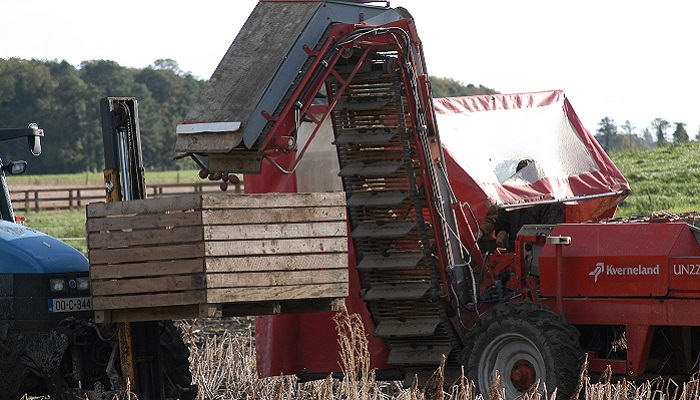
Irish field vegetable growers were hit with a double whammy of rising price inflation and extreme weather events in 2023, which has posed profitability challenges for the sector, the recently published Horticulture Crop Input Prices 2024 report has revealed.
The report, which provides up-to-date facts about specific input prices in January 2024 compared to 2023, states that input price inflation in the field vegetable sector continues at a rate of 5.1%, totalling over 43% since the first report in March 2021.
Additionally, extreme weather during key periods of the season in 2023 resulted in reduced yield, quality and complete crop loss in certain cases. As a result, the marketable yield was reduced by an estimated 10-15% on 2021/2022.
“Extreme weather events and climate change,” the report states, “holds the potential to erode profitability and 2023 has exemplified this.
“This risk and the costs associated with natural capital maintenance like soil health needs to be factored into the price of field vegetables in the future for producers to remain economically and environmentally sustainable.”
As a result, real and meaningful discussions about long-term supply arrangements are required to underpin the sector, the report states, and the 5.1% rate of inflation on inputs should not be taken in isolation.
“Growers have expanded, innovated and invested to maximise efficiency but need longer-term supply arrangements at sustainable prices in order to make significant investments to mitigate climate risk and put their businesses on an economical and environmentally sustainable pathway.
“Margin over costs for primary producers will need to improve to incentivise investment and allow generational renewal of businesses,” the report states.
Key input price changes:
- Labour is the most significant cost in vegetable crops accounting for an average of 38.7% of the cost of production. Since March 2023, there has been a 13.1% increase in the cost of labour for field vegetable growers, as they try to attract staff into their business in a very competitive labour market.
- The cost and availability of suitable land is a major challenge to the vegetable sector. Prices are up by an average of 20% since March 2023.
- Energy costs are estimated to be down by 3%.
- Since March 2023, the cost of new machinery has increased by 6%, the cost of machinery parts have increased by 12%, while maintaining and repairing machinery has increased by an average of 18%. Together, they make up approximately 4.5% of cost of production.
- The reduction in the cost of natural gas, used in the manufacturing process of many fertilisers, has seen a deflation of 32% on average for nitrogen and regularly used compounds since March 2023. Speciality fertilisers in the vegetable sector have reduced by 20% on average, partially due to the increased manufacturing process involved. Fertiliser makes up approximately 6.5% of the overall cost of production.
- Since March 2023, the price of cardboard boxes and trays has deflated by approximately 8%, while plastic bags, film and trays/punnets have dropped by 5% and net bags remain unchanged.
- The cost of field vegetable seed has increased by an average of 6% since March 2023 due to the poor growing season affecting seed production. High volume, established varieties are less effected due to existing seed stocks, however, crop failure on some specialised varieties intended to fill a particular part of the season have resulted in limited or no availability in some cases.
To access the full Horticulture Crop Input Prices 2024, click here.