
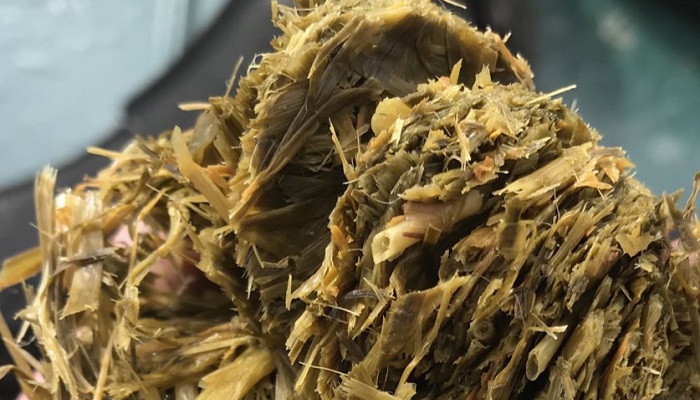
Enda Geoghegan, Climate and Sustainability Advisor, Teagasc, Ballina, Co. Mayo, looks at two smart investments for 2025 – lime and silage analysis.
As we move into the final months of the year, it’s an ideal time for farmers to look at simple, practical steps that can deliver strong returns while also supporting environmental sustainability. Two key actions stand out for autumn 2025: spreading lime to maximise soil health and grass growth and analysing silage to ensure feed quality and animal performance. Both actions not only boost farm profitability but also help reduce greenhouse gas emissions – a win for your pocket and for the environment.
Action 1: Spread lime
With incomes on beef, sheep and dairy farms expected to be higher in 2025, many farmers may have a little extra money to invest back into their land. One of the smartest investments is spreading lime. Not only does this improve farm productivity, but it can also help reduce tax liability.
If soil pH is kept at optimal levels (pH 6.3 on most clay soils), you can grow the same amount of grass with less fertiliser. Lime consistently delivers one of the best returns on investment for both drystock and dairy farms. By improving grass utilisation, reducing fertiliser use, and boosting livestock weight gain and milk yield, lime also helps cut greenhouse gas emissions. That means a win for the farm and a win for the environment.
Key benefits of spreading lime:
- Releases nitrogen: Lime can release up to 70kg of soil nitrogen (N) per hectare per year, reducing the need for chemical nitrogen.
- Boosts grass growth: Raising soil pH can result in an extra 10–15% grass growth.
- Strong economic return: Every €1 spent on lime returns about €5 on a drystock farm and €7 on a dairy farm.
- Environmental benefits: Reduced N fertiliser use means lower greenhouse gas emissions.
All though not relevant for this time of year, the timing of lime, slurry and chemical N applications matters:
- Silage fields: Leave enough time between spreading lime and closing for silage. Lime carried into the clamp or bales can affect preservation.
- Slurry application: Apply slurry first, then spread lime 7–10 days later to avoid losing up to 50% of the slurry N.
- Urea and lime: Wait three months between lime application and applying unprotected urea or slurry.
- Protected urea: Trials show it is safe to spread protected urea on fields that have been limed.
Action 2: Silage Analysis
Knowing the quality of your silage is crucial to achieving good livestock performance. Poor-quality silage leads to underperformance and costly feeding programmes. This year, silage analysis is also a requirement of the Suckler Welfare Scheme. Once you have your analysis results, sit down with your advisor to review them carefully.
High-quality silage ensures animals receive the right balance of energy, protein and minerals. With concentrate feeds costing between €340 and €420 per tonne (depending on protein and specification), relying too heavily on them due to poor silage quality is an expensive mistake.
Example: Cost of poor-quality silage
- Fifty weanlings fed for 120 days on 66% DMD silage need 1.8kg of concentrate per day to achieve 0.6kg/day weight gain.
- On 75% DMD silage, the same weanlings only need 0.4kg/day of concentrate.
- That’s a saving of 1.4kg/day per animal, or 8.4 tonnes more concentrate across the winter.
- At €400/tonne, that adds up to €3,360 extra feed costs, or €67 per weanling.
Better quality silage not only saves money but also leads to more weight gains, earlier finishing, and reduced greenhouse gas emissions. Complete a silage analysis now.
Final note
Both of these actions – spreading lime and analysing silage, are cost-effective ways to boost farm profitability while also helping the environment. As October begins, make it a priority to complete both.
The Teagasc Signpost Advisory Programme
Enda Geoghegan is a Climate Advisor in Teagasc’s Mayo region and is working on the Teagasc Signpost Advisory Programme. The Teagasc Signpost Advisory Programme provides enhanced advisory and training support to farmers to help them to select and implement climate and sustainability actions that are appropriate and impactful on their farms.
Sign up to the free Signpost Advisory Programme by clicking here.