
Irish tillage: Putting climate claims into practice
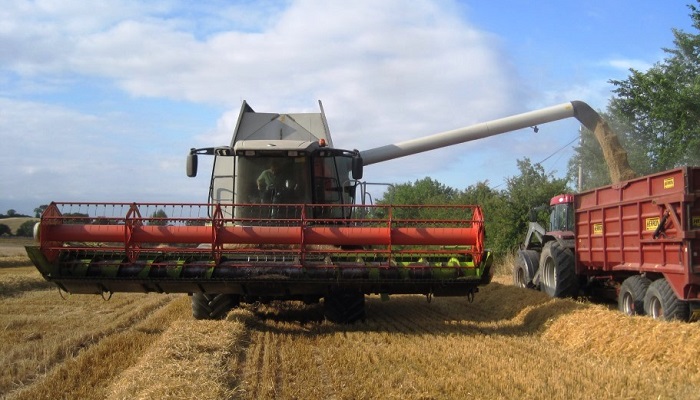
John Mahon, Signpost Tillage Advisor, explores how AgNav Tillage can help farmers measure their crops’ carbon footprint, identify opportunities to reduce emissions and demonstrate progress towards more sustainable tillage production.
Measuring the carbon footprint of your crops
Tillage farmers can now calculate the carbon footprint of their crops using AgNav Tillage. This free, voluntary calculator and decision-support tool is designed for Irish growers and estimates greenhouse gas emissions per tonne of grain from on-farm information such as fertiliser, lime, fuel, crop yield, soil type and straw management.
The results show which on-farm practices contribute most to a crop’s carbon footprint and where management changes might have the biggest impact. Using AgNav Tillage is the first step towards demonstrating and justifying claims of low carbon footprint grain on Irish tillage farms.
The accuracy of that figure hinges on good records. Details of inputs, field operations, yields, drying and straw management are needed to build a farm-specific picture using AgNav Tillage.
Once inputted, growers can then review the results with their advisor and consider possible management changes that may improve their carbon footprint result but also, more importantly, their farm profitability.
AgNav Tillage may also become a component of individual processor sustainability programmes for the food or drinks industry, which offer a bonus to Irish growers of low carbon footprint grain.
Reducing emissions associated with animal feed
The animal feed market is another area where this information could create an opportunity. Dairy, beef and sheep farms use concentrate feed to supplement grazed grass, while pig and poultry producers rely on formulated diets.
Where it is available and suitable for ration inclusion, using lower-footprint Irish grain can support local growers and help reduce the emissions associated with feed. Teagasc has consistently highlighted the potential of native grains to lower the carbon footprint intensity of compound feed products.
It’s imperative, however, that all feed must still meet animals’ nutritional needs, be competitive, and buyers should compare ingredients using consistent, reliable data rather than assuming every local crop automatically has a lower footprint.
However, buying from a traceable local source should strengthen sustainability claims by directly linking back to actual farm production.
In this regard, tillage farmers, feed manufacturers and livestock producers can work together to record where grain comes from, measure its footprint and build dependable demand for suitable Irish-grown ingredients.
Traceability is the unique selling point of Irish grain, but a measured footprint stemming from records to support these claims is a potential opportunity.
Using AgNav Tillage may not earn an extra payment next harvest, but the commercial benefits may be greater access, preferential treatment ahead of imports or building a stronger relationship with the end user.
Overall, AgNav Tillage helps farmers identify opportunities to improve, gives buyers reliable information and makes climate claims about Irish crops more complete and verifiable. This differentiation should, over time, lead to a more stable and profitable Irish tillage industry.