
Keeping grass quality in check – tips from Grass10
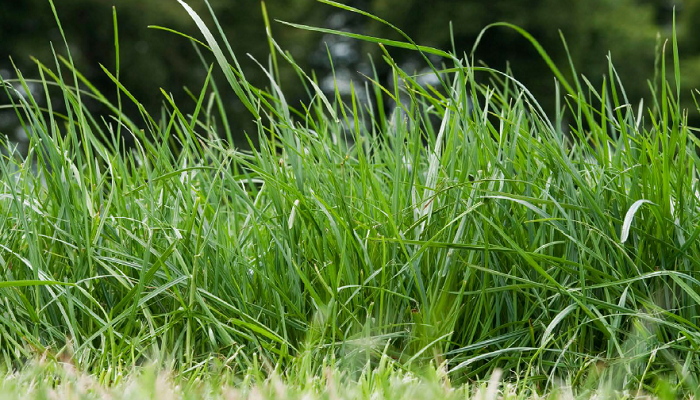
Keeping grass quality high in June and July is critical and can be achieved by taking a proactive approach to grassland management, Nikki Kennedy, Grass10 Advisor, shares some key advice.
High-quality grass drives high levels of animal performance and reduces supplementary feed costs across dairy, sheep and beef systems. This is grass covers of 1,200-1,400kg DM/ha (2.5-3 fists high) and consisting mainly of leaf with very little stem and dead material.
In dairy systems, we see a strong correlation between the quality and quantity of grass in the diet in the mid-season with milk production particularly protein %.
In many suckler beef systems, calves are starting to consume larger quantities of grass so proving high quality, easy grazed feed is crucial.
Weaning is approaching or has happened on a lot of sheep farms across the country. In both cases, high-quality grass is the priority as lambs’ grass intake approximately doubles from 7 to 14 weeks old.
Making the best decisions
It is important to know the current grass situation on your farm to be able to make the best decisions to keep high-quality grass ahead of stock and avoid unnecessary grass deficits or surpluses.
Walk your farm at least weekly whilst growth is high, as situations can change quickly.
A quick grass cover check lets you decide whether to tighten or lengthen the rotation; taking out surplus paddocks for silage and possibly reseeding or bring in silage areas for grazing.
Remember, when you go into a paddock that’s too strong, over 1,500kg DM/ha or 3 fists high, not only is there more stem present for the current grazing, but animals are less likely to graze out cleanly to produce a leafy sward for the next grazing.
If animals are forced to graze out the stemmy sward, animal performance suffers. Where grass cover has gone too strong, consider taking out the area for short or long-term silage where grass availability allows.
Where harvesting silage is not an option due to field access, but mechanical correction is required to regain sward quality where surpluses occur, consider the following.
- Pre-mowing swards: Limits the animals’ ability to selectively graze the higher quality, leafy content and leave behind stem. The field might be ‘cleaned’ nicely but animal performance will be impacted.
- Topping after grazing: animals can selectively graze before being moved. Don’t force animals to graze too much stem as performance will be impacted and further surpluses may be building on the farm.
Grass quality issues can also arise where the right amount of grass is available, but quality has declined. This can occur where previous grazings have too high residual stem content or where the plant has become reproductive due to it’s natural heading date or the grass has become stressed.
Getting back on track grazing lower covers of 1,200-1,400kg DM/ha (2.5-3 fists high) will alleviate some of these issues.
Nutrient applications
Where nutrient limitations are the cause of plant stress, ensure fertiliser applications are up to date. If you think you have applied adequate N, P and K levels and plant growth is sub-optimal or plants are stressed, ensure sulphur is being applied as this increases the Nitrogen use efficiency for any N applied.
Critically, ensure pH is at an optimum level, 6.3-6.8, as this is crucial for nutrient uptake by the plant. Where pH is too low, plan for applying lime on the farm. Get it ordered and on hand ready to spread.
Don’t rely on spreading it all in the autumn as conditions at that time of the year can deteriorate rapidly and the opportunity can be lost for another season.
Keep it simple, react quickly to growth and stay organised with a weekly grazing plan. Good summer management keeps grass quality high and animals performing well.