
Key actions: Protecting water quality on your farm
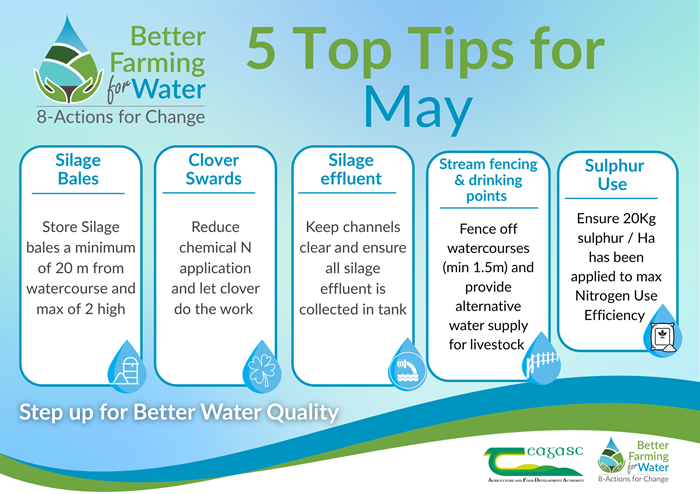
From storing silage bales and effluent management, along with providing proper drinking points for livestock, the Teagasc Better Farming for Water Campaign team share top tips to protect water quality on your farm over May.
Improving water quality is a key priority for Irish agriculture, and the Better Farming for Water Campaign highlights simple, practical steps that farmers can take to protect rivers and streams.
The ‘5 Top Tips for May’ focus on everyday farm management actions that can significantly reduce pollution risks while maintaining productivity.
1). Storing silage bales
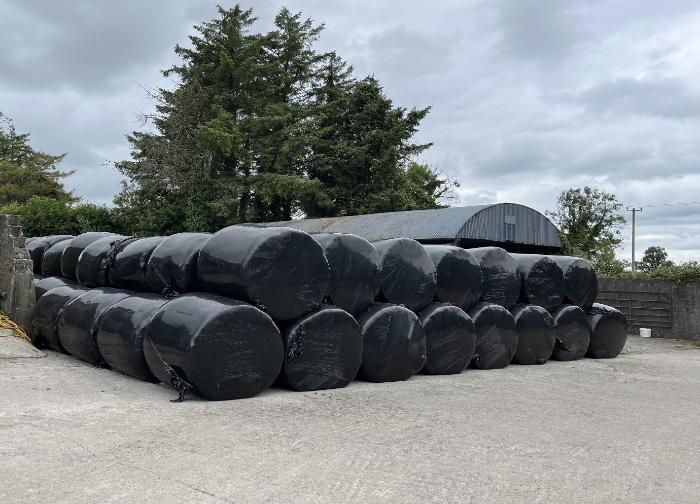
One important measure is the correct storage of silage bales. Bales should be stored at least 20 metres away from any watercourse. This reduces the risk of leachate entering nearby streams or rivers, particularly during heavy rainfall. Wilt to reduce effluent production. Store bales a max of two high, if not stored on a concentrate base with effluent collection and storage facilities. Poorly located bales can release harmful runoff, which can quickly impact water quality.
2). Using clover swards
Another key recommendation is the use of clover swards. By incorporating clover into grassland, farmers can reduce their reliance on chemical nitrogen fertilisers. Clover naturally fixes nitrogen from the atmosphere, improving soil fertility in a more sustainable way. This not only lowers input costs but also reduces the risk of excess nitrogen being washed into waterways. once clover is established, farmers should adjust and reduce chemical nitrogen applications, particularly in the main growing season (late spring to summer), because clover contributes biologically fixed nitrogen to the sward
3). Managing silage effluent
Managing silage effluent is also critical. Silage effluent is highly polluting and must be carefully controlled. Farmers are advised to keep channels clear and ensure that all effluent is properly collected in storage tanks.
Any overflow or leakage can have serious consequences for aquatic ecosystems, leading to oxygen depletion and harm to fish and other organisms.
Ensure grass is kept inside the channels when being ensiled. Ensure tanks are emptied so that there is sufficient storage for the effluent. Also, it is critical that you check the silage base for its structural soundness, silage pits must be leakproof and fit for purpose.
4). Stream fencing and proper drinking points
Protecting watercourses through stream fencing and proper drinking points is another effective step. Fencing off streams with a minimum buffer of 1.5 metres prevents livestock from entering the water, which reduces bank erosion and direct contamination from animal waste. Providing alternative drinking points by installing solar pumps or nose pumps will ensure animals still have access to water without damaging the stream environment.
5). Sulphur
Finally, the correct use of sulphur is essential for improving nitrogen use efficiency. Applying 20 kg of sulphur per hectare helps crops utilise nitrogen more effectively, reducing the likelihood of excess nutrients being lost to waterways. Efficient nutrient use is a key part of sustainable farming and water protection.
In conclusion, these five practical actions show how small changes in farm management can make a big difference. By carefully managing nutrients, protecting watercourses, and handling silage responsibly, farmers can play a vital role in improving and maintaining water quality across the country.
For more on the Teagasc Better Farming for Water Campaign, visit here.