
Key messages from the National Fodder and Food Security Committee
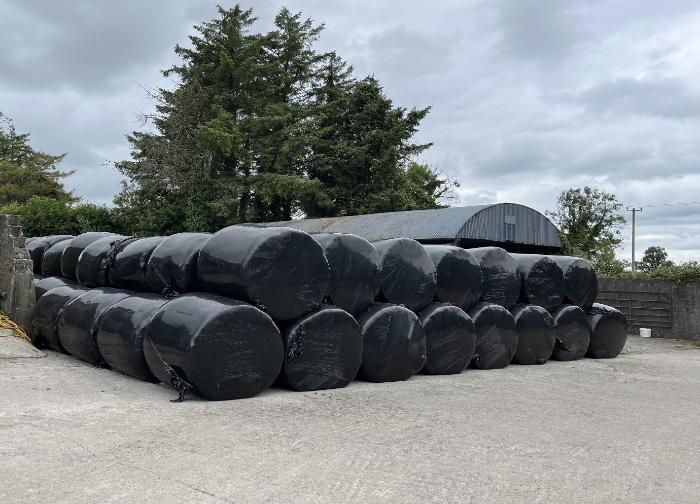
More than 50 representatives from across the sector participated in a meeting of the National Fodder and Food Security Committee, today, August 21, at Teagasc Oak Park.
Convened by Chairperson, Mike Magan, at the request of Minister for Agriculture, Food and the Marine, Martin Heydon TD, the meeting was held on foot of the ongoing drought conditions in many parts of the country.
There was a clear recognition across the Committee of the significant pressure being experienced by farmers in the areas most affected by the prolonged dry weather, particularly in the South-East. In addition to the immediate impact on grass growth and fodder stocks, members highlighted the additional workload, financial pressures and stress being experienced on affected farms.
The central message from the meeting was the importance of acting early. Farmers who may face a winter fodder deficit were strongly encouraged to assess their position now and take steps to ensure that they are not left facing an acute feed shortage later in the winter or next spring.
The Committee highlighted the following key actions for livestock farmers:
- Establish the fodder position on the farm now through a winter feed budget and seek assistance from an adviser where required.
- Plan feed requirements through the remainder of the drought, autumn and full winter housing period. Where stocks are tight, develop a plan now to stretch available conserved forage over the full period for which it may be required.
- Identify potential feed gaps early and take action to fill them. Farmers should consider the availability and cost of straw, hay, silage and other locally available forage sources, together with suitable high-fibre concentrate feeds or alternative feeds that can safely offset forage deficits in winter diets.
- Manage autumn grass carefully. Fertiliser applications should be targeted when grass growth begins to recover following rainfall, while extending grazing rotations will be important to allow grass covers to rebuild ahead of the autumn.
- Plan slurry applications. Additional summer housing and supplementary feeding have resulted in greater-than-normal slurry accumulation on some farms. Farmers should plan now to ensure tanks are emptied ahead of the slurry closed period, while complying with all applicable regulations.
- Assess the financial implications. Where additional feed purchases or other costs are likely to put pressure on farm cashflow, farmers should engage early with their banks and other relevant credit providers.
- Seek advice early. Farmers are encouraged to engage with their advisor to develop a plan appropriate to their individual circumstances.
The Committee also heard of the significant difficulties caused by drought conditions for the tillage and horticulture sectors, including impacts on crop performance, yields and production costs. Members highlighted the wider importance of maintaining Ireland’s indigenous crop and horticultural production base to the resilience of the national feed and food supply chain.
The meeting also recognised that the prolonged drought has created substantial additional workload and stress for many farmers. Farmers experiencing pressure are strongly encouraged to speak with family members, neighbouring farmers, advisors and other farm support and wellbeing services that are available.
The Committee concluded that the situation will need to be kept under close review over the coming weeks as the impact of rainfall, grass growth recovery and autumn fodder production becomes clearer. Members committed to continuing to share information across the sector and to reinforcing consistent advice to farmers, with a particular focus on early planning and practical action on farms where winter feed supplies are at risk.
Commenting following the meeting, Mike Magan, Chairperson of the National Fodder and Food Security Committee, said: “Today’s meeting showed the value of bringing all parts of the sector together at times when farmers are facing significant challenges.
“The situation varies considerably across the country, but there is no doubt that the prolonged dry weather has placed real pressure on many farms, particularly in the South-East,” Mike Magan added.
“The message to farmers is very clear: assess your position and act now. Complete a fodder budget, make a plan for the months ahead and, where additional feed is likely to be needed, begin sourcing it early.
Mike Magan added: “We also recognise the additional workload, financial pressure and stress that these conditions are creating for farm families. Farmers should make use of the advice and supports available to them and talk to their advisor, their co-op, their bank and, importantly, to family, neighbours and fellow farmers. The Committee will continue to monitor the position closely and work collectively to help farmers manage through the months ahead.”
The results of the Teagasc Fodder Survey were amongst the data presented at the meeting.
For further details, read: Fodder survey data highlights the need for farmers to be aware of feed supply risks for the winter ahead
To see the Teagasc presentation at today’s meeting, visit here.