
Labour efficient and profitable DairyBeef 500 farm to host farm walk
Focused very much on making a dairy-beef system as labour efficient as possible, DairyBeef 500 participant, James O’Sullivan will host a farm walk on September 3rd, DairyBeef 500 Programme Manager, Alan Dillon previews the event.
Located at Myross, near Union Hall, Co. Cork (Eircode: P81 CK00), James O’Sullivan will host a farm walk on September 3rd at 5.30 pm.
James has increased profitability and labour efficiency on his farm over the past four years, reaching a high of over €2,600/ha net profit when beef prices rose in 2025.
Working off farm as an AI technician, James purchases calves early in the year so that they are reared by the time the AI season gets into full swing. With four young children, and a spouse working off farm also, James needs the farm to be as labour efficient as possible.
To assist with this, James has invested over the past 12 months in newer equipment, a new shed and a maize pit to make daily tasks run as smoothly as possible.
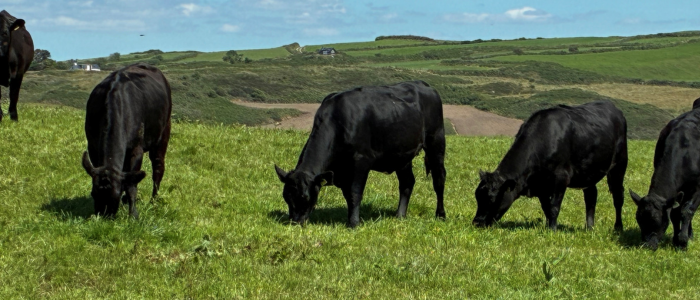
Running approximately 95 Angus steers and heifers from three weeks of age through to finishing at an average of 22 months, the 31ha farm is mostly free-draining coastal land.
The main block of land is located along the south-west coast and can be exposed to salt burn in mid-season and early in the year at times.
This year has proved challenging; drought and reduced grass growth have seen cattle housed earlier than planned, also meaning additional silage will need to be purchased to ensure the farm doesn’t run short in early spring.
Calf purchasing and health
Calves are purchased locally from a small group of dairy farmers for whom James carries out AI services. Bought in batches, James aims to keep Commercial Beef Value (CBV) as high as possible. Higher CBV calves have proved to produce heavier carcasses on the farm.
In recent years, calf health has also improved, with small improvements made to the ventilation of the calf shed, along with the introduction of a vaccination policy for pneumonia on arrival.
Grassland management
The farm is highly stocked and is in derogation, meaning a high level of grass utilisation is required to avoid large quantities of feed being purchased.
Having a dry coastal farm means James can get cattle out in early February and achieve up to 10 grazings per paddock per year. A large proportion of the farm has been reseeded in recent years, and some red clover and multispecies swards have been sown. While red clover has generally performed well, issues have arisen with weed control in multispecies swards, with docks in particular causing large infestations.
Farm walk topics for discussion
At the farm walk on September 3rd, the profitability of James’ farm will be discussed, along with options for dealing with winter fodder and autumn grass shortages on the farm.
Grasstec will demonstrate its new SKAI sprayer, which uses cameras to identify weeds in the field, thus targeting only the weeds and avoiding spraying grass.
ABP will also carry out a demonstration to assess stock for finishing. James supplies ABP through its Advantage Beef Programme and ensuring his Angus cattle hit the required specifications is essential in securing up to 60 cent per kg in bonuses, when all are included. The farm is supplying around 27 tonnes of beef annually, so the animal bonuses add up to a potential €16,000 per year.
James is also in the process of building a new slatted shed and feed store under TAMS and Teagasc personnel will be available to talk to people on the day about what is involved in this process.
The event will have free burgers kindly provided by ABP and is free for all to attend.
For further details on James O’Sullivan’s farm walk, visit here.
Alan Dillon is Manager of the Teagasc DairyBeef 500 Programme. For more on the DairyBeef 500 Programme, visit here.