
26 November 2024
Livestock’s role in successful upland systems
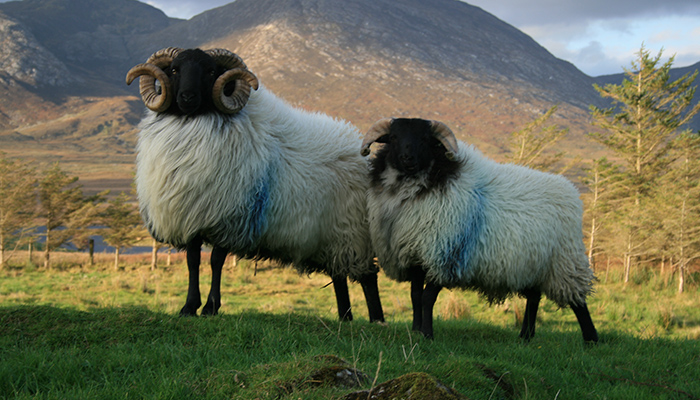
The integral role livestock play in the successful management of upland areas was explored at the recent Uplands Symposium, an event jointly organised by Teagasc and CAFRE.
Livestock are the link to the land that keep farmers in rural upland areas, Dr. Eileen McCloskey of CAFRE told the delegates in attendance.
“When we think about uplands, we think of high nature value systems, but they are semi natural and lots of what they deliver is based on the fact that we have managed them to achieve that. I personally believe one of the most beneficial management tools that we have are livestock. There are other management tools, but livestock are a really important tool,” Dr. McCloskey said.
Successfully managed upland areas require a specific focus on the environmental, economic and social aspects, with Dr. McCloskey adding: “The economic aspect of that is really important. We want those farmers with livestock to be an important management tool. To ensure that we have that management tool, we need our hills to be economically viable.”
Livestock’s integral role in the uplands was also discussed under the banners of food production, rural economy, upland restoration and water. Explaining how livestock deliver under these multiple objectives, Dr. McCloskey said: “First and foremost, they produce food. As farmers, we produce a highly nutritious food source and a protein source.
“In our uplands, the majority of that food is produced from a non-human edible food source. If we take heather and a livestock system, we produce a highly nutritious food source from something very little else can be done with and we should never shy away from the importance of that.”
The resulting revenues from this food production filter back to rural communities in uplands areas, supporting them to stay farming – a vital element in ensuring upland habitats are managed successfully into the future.
On this point, Dr. McCloskey commented: “Those farmers know more about that habitat than anyone else that steps on that land. They know what it can provide and the benefits it supports. That’s not a skillset that is easily learned, but easily lost, and it is important that it is passed from generation to generation.”
A key element of upland management involves land restoration – taking it from an unfavourable condition to a favourable condition, and although Dr. McCloskey admitted that this may need to take place in the absence of livestock, their presence is vital afterwards for maintaining its condition.
Along with this, the role of livestock in managing vegetation from a water quality perspective was also discussed, with Dr. McCloskey adding: “Well managed vegetation is an important aspect of intact bogs this provides massive benefits in terms of water quality, storage and flood alleviation. As soon as that vegetation breaks down, we lose the potential to manage that habitat.”
CAFRE’s Hill Farm Centre
As part of her presentation, Dr. McCloskey also shared details on CAFRE’s Hill Farm Centre, located at Glenwherry in the Antrim Hills. Consisting of multiple land and habitat types, she explained the approach being taken, adding: “Our approach is to understand the soil type, understand the vegetation type, what will that habitat need to support and how should it be managed to do so, then look what the management opportunities are from a livestock point of view.”
A similar approach will be needed for other hill or upland areas, Dr. McCloskey noted, but a one-size-fits-all blueprint is not the most appropriate route to follow. Instead, local differences and habitat, land and soil type all need to be taken into consideration when implementing the most appropriate management systems for upland areas.
For more information on the Uplands Symposium and to access presentations from the day, click here.
Also read: Learning by doing in the Comeragh Mountains
Also read: ACRES pointing the way for upland improvements
Also read: Economic sustainability of upland farms in a precarious position